



Je cadeautjes zeker op tijd in huis hebben voor de feestdagen? Kom langs in onze winkels en vind het perfecte geschenk!
- Afhalen na 1 uur in een winkel met voorraad
- Gratis thuislevering in België vanaf € 30
- Ruim aanbod met 7 miljoen producten
Je cadeautjes zeker op tijd in huis hebben voor de feestdagen? Kom langs in onze winkels en vind het perfecte geschenk!
- Afhalen na 1 uur in een winkel met voorraad
- Gratis thuislevering in België vanaf € 30
- Ruim aanbod met 7 miljoen producten





Omschrijving
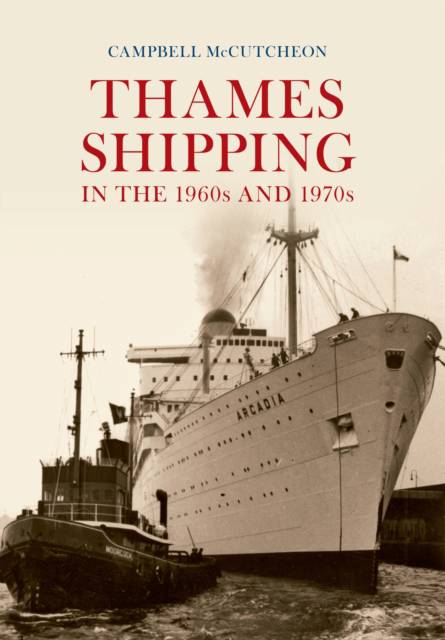
At one point London had one of the largest dock systems in the world, and certainly one of the busiest. From Gravesend and Tilbury all the way to the Pool of London, the sides of the river were crowded with ships, with large dock systems full of ships loading and unloading their cargoes. Passenger ships called too, as well as numerous coasters feeding the power stations that served London. Campbell McCutcheon uses a unique collection of images, all taken by the one person, to show the docks, wharves and the river as it was, teaming with ships from Blue Funnel, Clan Line, Ben Line, British India Steam Navigation Company, P&O, Union Castle Line and navy vessels as well as numerous foreign ships, ferries, ocean liners, cruise ships, tugs and barges. With nostalgic views of the Pool of London, ships being repaired in the numerous dry docks, all of the docks, and some of the creeks, the book sets out to show the docks at the peak of their importance before the long decline of the 1970s and 1980s and the wholesale redevelopment of the London Docklands and the banks of the Thames.
Specificaties
Betrokkenen
- Auteur(s):
- Uitgeverij:
Inhoud
- Aantal bladzijden:
- 128
- Taal:
- Engels
Eigenschappen
- Productcode (EAN):
- 9781848682856
- Verschijningsdatum:
- 15/07/2013
- Uitvoering:
- Paperback
- Formaat:
- Trade paperback (VS)
- Afmetingen:
- 165 mm x 234 mm
- Gewicht:
- 305 g



Alleen bij Standaard Boekhandel
+ 47 punten op je klantenkaart van Standaard Boekhandel
CADEAU


Beoordelingen
We publiceren alleen reviews die voldoen aan de voorwaarden voor reviews. Bekijk onze voorwaarden voor reviews.