



Je cadeautjes zeker op tijd in huis hebben voor de feestdagen? Kom langs in onze winkels en vind het perfecte geschenk!
- Afhalen na 1 uur in een winkel met voorraad
- Gratis thuislevering in België vanaf € 30
- Ruim aanbod met 7 miljoen producten
Je cadeautjes zeker op tijd in huis hebben voor de feestdagen? Kom langs in onze winkels en vind het perfecte geschenk!
- Afhalen na 1 uur in een winkel met voorraad
- Gratis thuislevering in België vanaf € 30
- Ruim aanbod met 7 miljoen producten





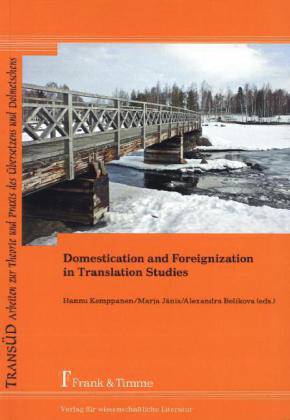
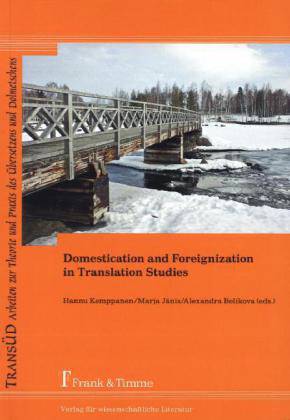
Domestication and Foreignization in Translation Studies
Paperback | Engels, Duits | TRANSÜD. Arbeiten zur Theorie und Praxis des Übersetzens und Dolmetschens | nr. 46
€ 44,95
+ 89 punten
Omschrijving
This collection of peer reviewed articles deals with traditions of dichotomizing ways of describing translations. The discussions include theoretical aspects of defining the concepts of domestication and foreignization, concrete research under-taken by applying these concepts and cases where translation is strongly linked with ideological factors. Theoretical questions are posed from different perspectives, varying from affective aspects of translation strategies and translation from and into minor languages to meta-theoretical analysis of the notions of domestication and foreignization. Operationalization of these key concepts is presented by comparing the original text and its different translations into one or several target languages and developing models for assessing a translation on a domestication-foreignization scale. The ideological aspect is discussed in studies that describe translation in two specific political environments - in Russia/Soviet Union and in Hong Kong.
Specificaties
Betrokkenen
- Uitgeverij:
Inhoud
- Aantal bladzijden:
- 240
- Taal:
- Engels, Duits
- Reeks:
- Reeksnummer:
- nr. 46
Eigenschappen
- Productcode (EAN):
- 9783865964038
- Verschijningsdatum:
- 14/06/2012
- Uitvoering:
- Paperback
- Afmetingen:
- 147 mm x 14 mm
- Gewicht:
- 316 g

Alleen bij Standaard Boekhandel
+ 89 punten op je klantenkaart van Standaard Boekhandel
CADEAU


Beoordelingen
We publiceren alleen reviews die voldoen aan de voorwaarden voor reviews. Bekijk onze voorwaarden voor reviews.