



Bedankt voor het vertrouwen het afgelopen jaar! Om jou te bedanken bieden we GRATIS verzending (in België) aan op alles gedurende de hele maand januari.
- Afhalen na 1 uur in een winkel met voorraad
- In januari gratis thuislevering in België
- Ruim aanbod met 7 miljoen producten
Bedankt voor het vertrouwen het afgelopen jaar! Om jou te bedanken bieden we GRATIS verzending (in België) aan op alles gedurende de hele maand januari.
- Afhalen na 1 uur in een winkel met voorraad
- In januari gratis thuislevering in België
- Ruim aanbod met 7 miljoen producten





Omschrijving
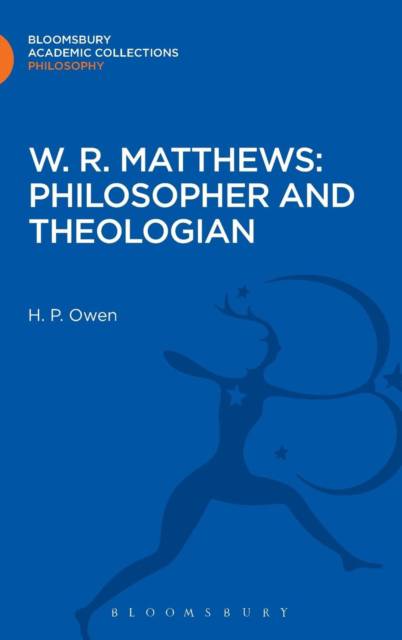
Over many years W. R. Matthews (who was successively Professor of the Philosophy of Religion at King's College London, Dean of Exeter and Dean of St Paul's) wrote copiously on both philosophy and theology in books, lectures and sermons. Although associated with the movements known as 'modernism' and 'liberal Protestantism' he was essentially a Christian Platonist who moreover was theologically orthodox on all vital points. Professor Owen quotes widely from Dr Matthews' published writings on The Concept of God, Religion and Reason, and Christology and Ethics. He brings out their significance both for an understanding of the ways in which religious thought developed in the first half of this century and for the light they shed on questions discussed by theologians today.
Specificaties
Betrokkenen
- Auteur(s):
- Uitgeverij:
Inhoud
- Aantal bladzijden:
- 82
- Taal:
- Engels
- Reeks:
Eigenschappen
- Productcode (EAN):
- 9781472510884
- Verschijningsdatum:
- 2/01/2014
- Uitvoering:
- Hardcover
- Formaat:
- Genaaid
- Afmetingen:
- 156 mm x 234 mm
- Gewicht:
- 322 g


Alleen bij Standaard Boekhandel
+ 644 punten op je klantenkaart van Standaard Boekhandel
SOLDEN


Beoordelingen
We publiceren alleen reviews die voldoen aan de voorwaarden voor reviews. Bekijk onze voorwaarden voor reviews.