



Bedankt voor het vertrouwen het afgelopen jaar! Om jou te bedanken bieden we GRATIS verzending (in België) aan op alles gedurende de hele maand januari.
- Afhalen na 1 uur in een winkel met voorraad
- In januari gratis thuislevering in België
- Ruim aanbod met 7 miljoen producten
Bedankt voor het vertrouwen het afgelopen jaar! Om jou te bedanken bieden we GRATIS verzending (in België) aan op alles gedurende de hele maand januari.
- Afhalen na 1 uur in een winkel met voorraad
- In januari gratis thuislevering in België
- Ruim aanbod met 7 miljoen producten





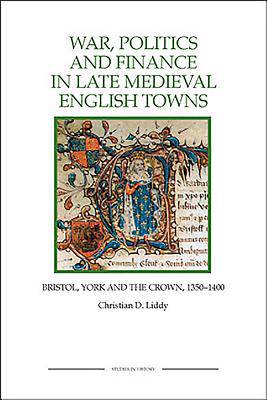
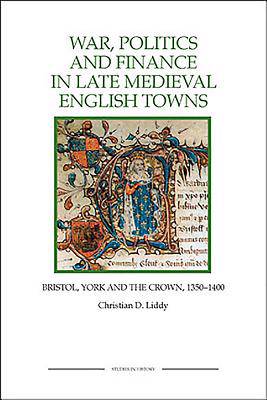
War, Politics and Finance in Late Medieval English Towns
The Patterns and Meanings of State-Level Conflict in the 19th Century
Christian D Liddy
€ 59,95
+ 119 punten
Omschrijving
The strengthening of ties between crown and locality in the fourteenth century is epitomised by the relationships between York and Bristol (then amongst the largest and wealthiest urban communities in England) and the crown. This book combines a detailed study of the individuals who ruled Bristol and York at the time with a close analysis of the texts which illustrate the relationship between the two cities and the king, thus offering a new perspective on relations between town and crown in late medieval England. Beginning with an analysis of the various demands, financial, political and commercial, made upon the towns by the Hundred Years War, the author argues that such pressures facilitated the development of a partnership in government between the crown and the two towns, meaning that the elite inhabitants became increasingly important in national affairs. The book goes on to explore in detail the nature of urban aspirations within the kingdom, arguing that the royal charters granting the towns their coveted county status were crucial in binding their ruling elites into the apparatus of royal government, and giving them a powerful voice in national politics. Dr Christian Liddy is Senior Lecturer in the Department of History, University of Durham.
Specificaties
Betrokkenen
- Auteur(s):
- Uitgeverij:
Inhoud
- Aantal bladzijden:
- 280
- Taal:
- Engels
- Reeks:
- Reeksnummer:
- nr. 45
Eigenschappen
- Productcode (EAN):
- 9781843836391
- Verschijningsdatum:
- 15/09/2011
- Uitvoering:
- Paperback
- Formaat:
- Trade paperback (VS)
- Afmetingen:
- 156 mm x 234 mm
- Gewicht:
- 394 g


Alleen bij Standaard Boekhandel
+ 119 punten op je klantenkaart van Standaard Boekhandel
SOLDEN


Beoordelingen
We publiceren alleen reviews die voldoen aan de voorwaarden voor reviews. Bekijk onze voorwaarden voor reviews.