



Bedankt voor het vertrouwen het afgelopen jaar! Om jou te bedanken bieden we GRATIS verzending (in België) aan op alles gedurende de hele maand januari.
- Afhalen na 1 uur in een winkel met voorraad
- In januari gratis thuislevering in België
- Ruim aanbod met 7 miljoen producten
Bedankt voor het vertrouwen het afgelopen jaar! Om jou te bedanken bieden we GRATIS verzending (in België) aan op alles gedurende de hele maand januari.
- Afhalen na 1 uur in een winkel met voorraad
- In januari gratis thuislevering in België
- Ruim aanbod met 7 miljoen producten





€ 145,45
+ 290 punten
Omschrijving
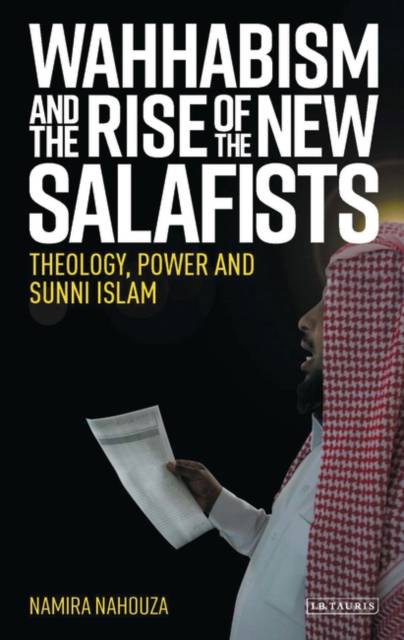
Wahhabism is often described as one of the most conservative branches of Islam and its fundamentalist approach seen as fuelling jihadist extremism. But what is the theological basis of Wahhabism? How do Wahhabi beliefs and doctrine differ from branches of Sunni Islam?
While previous scholarship has examined Wahhabism as a political phenomenon, this book turns attention to the complex religious issues that are central to its understanding. Tracing its roots in the 18th century up until the present day, Namira Nahouza shows why the Wahhabi movement has opposed traditional Islamic scholarship on the interpretation of the Qur'an and hadith. Of key importance, Nahouza shows, are the differing beliefs about the oneness of God and God's names and attributes, issues on which both Wahhabi and other Salafi groups are united. Based on extensive research into classical and contemporary Arabic religious sources, Nahouza presents the contours of Sunni theological debate and reveals how the Wahhabi movement became the predecessor to the Salafism we see today. In highlighting the far-reaching consequences of these theological divisions - both for Muslim communities and the world at large -the book fills a significant gap in existing research and is essential reading for scholars researching Islamic Theology, Islamic History, Security Studies and Islamic Radicalism.
While previous scholarship has examined Wahhabism as a political phenomenon, this book turns attention to the complex religious issues that are central to its understanding. Tracing its roots in the 18th century up until the present day, Namira Nahouza shows why the Wahhabi movement has opposed traditional Islamic scholarship on the interpretation of the Qur'an and hadith. Of key importance, Nahouza shows, are the differing beliefs about the oneness of God and God's names and attributes, issues on which both Wahhabi and other Salafi groups are united. Based on extensive research into classical and contemporary Arabic religious sources, Nahouza presents the contours of Sunni theological debate and reveals how the Wahhabi movement became the predecessor to the Salafism we see today. In highlighting the far-reaching consequences of these theological divisions - both for Muslim communities and the world at large -the book fills a significant gap in existing research and is essential reading for scholars researching Islamic Theology, Islamic History, Security Studies and Islamic Radicalism.
Specificaties
Betrokkenen
- Auteur(s):
- Uitgeverij:
Inhoud
- Aantal bladzijden:
- 272
- Taal:
- Engels
- Reeks:
Eigenschappen
- Productcode (EAN):
- 9781788311427
- Verschijningsdatum:
- 30/09/2018
- Uitvoering:
- Hardcover
- Formaat:
- Genaaid
- Afmetingen:
- 145 mm x 218 mm
- Gewicht:
- 458 g



Alleen bij Standaard Boekhandel
+ 290 punten op je klantenkaart van Standaard Boekhandel
SOLDEN


Beoordelingen
We publiceren alleen reviews die voldoen aan de voorwaarden voor reviews. Bekijk onze voorwaarden voor reviews.