



Bedankt voor het vertrouwen het afgelopen jaar! Om jou te bedanken bieden we GRATIS verzending (in België) aan op alles gedurende de hele maand januari.
- Afhalen na 1 uur in een winkel met voorraad
- Gratis thuislevering in België vanaf € 30
- Ruim aanbod met 7 miljoen producten
Bedankt voor het vertrouwen het afgelopen jaar! Om jou te bedanken bieden we GRATIS verzending (in België) aan op alles gedurende de hele maand januari.
- Afhalen na 1 uur in een winkel met voorraad
- Gratis thuislevering in België vanaf € 30
- Ruim aanbod met 7 miljoen producten





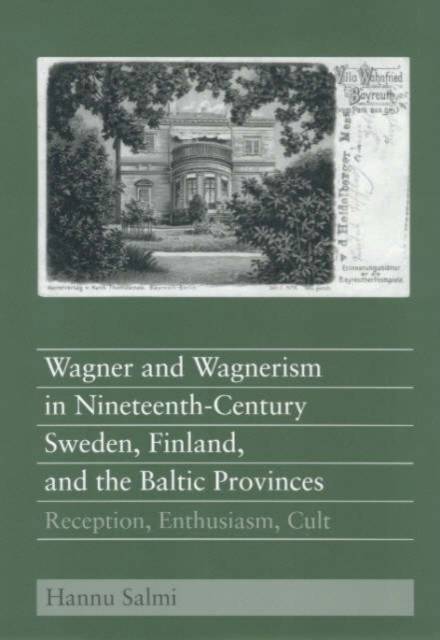
Wagner and Wagnerism in Nineteenth-Century Sweden, Finland, and the Baltic Provinces
Reception, Enthusiasm, Cult
Hannu Salmi
€ 209,45
+ 418 punten
Omschrijving
Wagner and Wagnerism in Nineteenth-Century Sweden, Finland, and the Baltic Provinces explores how Wagner's operas were performed and received in the theaters of Stockholm and other cities of the region and how excerpts from them were arranged for amateur performances in private homes. Wagner's music and his polemical writings aroused lively discussion around the Baltic, as they did everywhere else in the Western world. Thanks to detailed accounts in newspapers, journals, contemporary literature, and writings of music historians (including some by Sibelius's teacher and friend Martin Wegelius), we are privileged, in Hannu Salmi's book, to "listen in" on these debates, which often deal with crucial questions of national self-determination and of cultural independence from Europe. This text reveals the surprising extent to which music lovers and operagoers from the various countries, many of them women, traveled to Wagner's Bayreuth Festival to attend performances. It also reconstructs the imaginative and patient efforts by which confirmed Wagnerians established Wagner societies in order to promote an understanding of the composer's work. Each country, each city, each local composer and conductor shows a distinctive approach -- welcoming, resistant, or some of each -- to the challenge of Wagner. In the process, we see music history and cultural history in the making. Hannu Salmi is professor of cultural history at the University of Turku, author of Imagined Germany: Richard Wagner's National Utopia, and an editorial board member of wagnerspectrum.
Specificaties
Betrokkenen
- Auteur(s):
- Uitgeverij:
Inhoud
- Aantal bladzijden:
- 327
- Taal:
- Engels
- Reeks:
- Reeksnummer:
- nr. 34
Eigenschappen
- Productcode (EAN):
- 9781580462075
- Verschijningsdatum:
- 18/11/2005
- Uitvoering:
- Hardcover
- Formaat:
- Genaaid
- Afmetingen:
- 162 mm x 235 mm
- Gewicht:
- 703 g



Alleen bij Standaard Boekhandel
+ 418 punten op je klantenkaart van Standaard Boekhandel
CADEAU


Beoordelingen
We publiceren alleen reviews die voldoen aan de voorwaarden voor reviews. Bekijk onze voorwaarden voor reviews.