



Bedankt voor het vertrouwen het afgelopen jaar! Om jou te bedanken bieden we GRATIS verzending (in België) aan op alles gedurende de hele maand januari.
- Afhalen na 1 uur in een winkel met voorraad
- In januari gratis thuislevering in België
- Ruim aanbod met 7 miljoen producten
Bedankt voor het vertrouwen het afgelopen jaar! Om jou te bedanken bieden we GRATIS verzending (in België) aan op alles gedurende de hele maand januari.
- Afhalen na 1 uur in een winkel met voorraad
- In januari gratis thuislevering in België
- Ruim aanbod met 7 miljoen producten





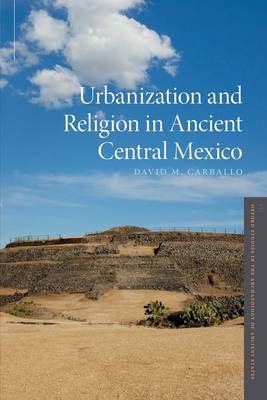
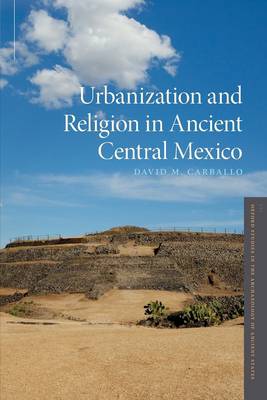
Urbanization and Religion in Ancient Central Mexico
David M Carballo
€ 74,45
+ 148 punten
Uitvoering
Omschrijving
Urbanization and Religion in Ancient Central Mexico examines the ways in which urbanization and religion intersected in pre-Columbian central Mexico, with a primary focus on the later Formative period and the transition to the Classic period. The major societal transformations of this interval occurred approximately two-thousand years ago and over a millennium before Mexico's best known early civilization, the Aztecs. David M. Carballo presents a synthesis of data from regional archaeological projects and key sites such as Teotihuacan and Cuicuilco, while relying on his own excavations at the site of La Laguna as the central case study. A principal argument is that cities and states developed hand in hand with elements of a religious tradition of remarkable endurance and that these processes were fundamentally entangled. Prevalent religious beliefs and ritual practices created a cultural logic for urbanism, and as populations urbanized they became socially integrated and differentiated following this logic. Nevertheless, religion was used differently over time and by groups and individuals across the spectra of urbanity and social status. The book provides a materially informed history of religion, with the temporal depth that archaeology can provide, and an archaeology of cities that considers religion seriously as a generative force in societal change.
Specificaties
Betrokkenen
- Auteur(s):
- Uitgeverij:
Inhoud
- Aantal bladzijden:
- 292
- Taal:
- Engels
- Reeks:
Eigenschappen
- Productcode (EAN):
- 9780190882334
- Verschijningsdatum:
- 1/05/2018
- Uitvoering:
- Paperback
- Formaat:
- Trade paperback (VS)
- Afmetingen:
- 156 mm x 234 mm
- Gewicht:
- 412 g


Alleen bij Standaard Boekhandel
+ 148 punten op je klantenkaart van Standaard Boekhandel
SOLDEN


Beoordelingen
We publiceren alleen reviews die voldoen aan de voorwaarden voor reviews. Bekijk onze voorwaarden voor reviews.