



Bedankt voor het vertrouwen het afgelopen jaar! Om jou te bedanken bieden we GRATIS verzending (in België) aan op alles gedurende de hele maand januari.
- Afhalen na 1 uur in een winkel met voorraad
- In januari gratis thuislevering in België
- Ruim aanbod met 7 miljoen producten
Bedankt voor het vertrouwen het afgelopen jaar! Om jou te bedanken bieden we GRATIS verzending (in België) aan op alles gedurende de hele maand januari.
- Afhalen na 1 uur in een winkel met voorraad
- In januari gratis thuislevering in België
- Ruim aanbod met 7 miljoen producten





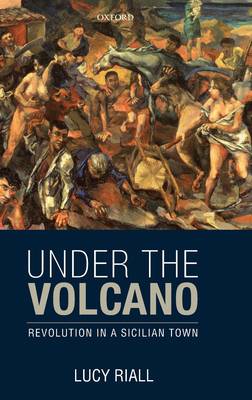
Omschrijving
During the momentous events that shook Italy in 1860 as the nation was unified, there was a murderous riot in the Sicilian town of Bronte on the slopes of Mount Etna. Thereafter, Bronte became a symbol - of the limits of the liberal Risorgimento and of the persistence of foreign domination: descendants of Admiral Horatio Nelson had the largest landholding in the town and the British were said to have put pressure on Garibaldi to crush the uprising, which his lieutenant did with brutality.
Lucy Riall has used the discovery of a new archive to transform brilliantly this episode into an ambitious exploration of much larger themes. Relaying an often brutal tale of poverty, injustice, and mismanagement, her powerful and engaging narrative also opens windows onto the true meaning of the British presence. Bronte's story becomes one that is also about Britain's policy towards Italy and Europe in the nineteenth century, and about colonial rule overseas in the age of Empire. It shows what happened when these two different aspects of British power bumped into each other in one Sicilian town.
Lucy Riall has used the discovery of a new archive to transform brilliantly this episode into an ambitious exploration of much larger themes. Relaying an often brutal tale of poverty, injustice, and mismanagement, her powerful and engaging narrative also opens windows onto the true meaning of the British presence. Bronte's story becomes one that is also about Britain's policy towards Italy and Europe in the nineteenth century, and about colonial rule overseas in the age of Empire. It shows what happened when these two different aspects of British power bumped into each other in one Sicilian town.
Specificaties
Betrokkenen
- Auteur(s):
- Uitgeverij:
Inhoud
- Aantal bladzijden:
- 296
- Taal:
- Engels
Eigenschappen
- Productcode (EAN):
- 9780199646494
- Verschijningsdatum:
- 7/02/2013
- Uitvoering:
- Hardcover
- Formaat:
- Genaaid
- Afmetingen:
- 163 mm x 236 mm
- Gewicht:
- 657 g


Alleen bij Standaard Boekhandel
+ 322 punten op je klantenkaart van Standaard Boekhandel
SOLDEN


Beoordelingen
We publiceren alleen reviews die voldoen aan de voorwaarden voor reviews. Bekijk onze voorwaarden voor reviews.