



Je cadeautjes zeker op tijd in huis hebben voor de feestdagen? Kom langs in onze winkels en vind het perfecte geschenk!
- Afhalen na 1 uur in een winkel met voorraad
- Gratis thuislevering in België vanaf € 30
- Ruim aanbod met 7 miljoen producten
Je cadeautjes zeker op tijd in huis hebben voor de feestdagen? Kom langs in onze winkels en vind het perfecte geschenk!
- Afhalen na 1 uur in een winkel met voorraad
- Gratis thuislevering in België vanaf € 30
- Ruim aanbod met 7 miljoen producten





€ 52,95
+ 105 punten
Omschrijving
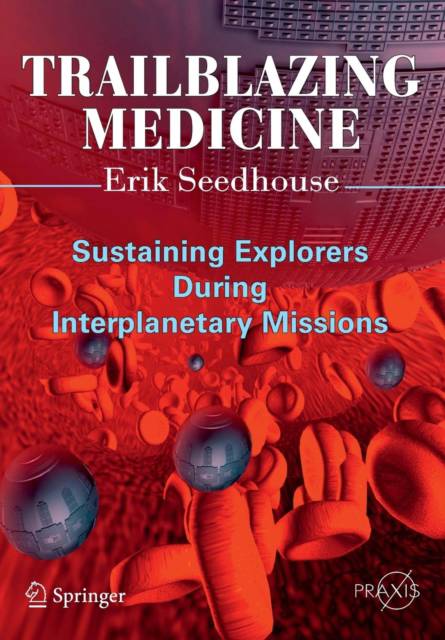
Space medicine has been an important component of the success of human spaceflight and will continue to play a critical role in the future ventures. To prepare for the day when astronauts will leave low Earth orbit for long-duration exploration missions, space medicine experts must develop a thorough understanding of the effects of microgravity on the human body, as well as ways of migrating these effects. To gain a complete understanding of the effects of space on the human body and to create the tools and technologies required for successful exploration, space medicine will become an increasingly collaborative discipline incorporating the skills of physicians, biomedical scientists, engineers, and mission planners. In this work, Dr. Erik Seedhouse examines the future of space medicine in relation to human space exploration. He describes what is necessary to keep a crew alive in space, how it will be accomplished in the future, and the medical challenges faced by interplanetary astronauts. The book is divided into three sections. The first looks at space medicine on board the ISS, where astronaut stays are often of long duration. The second section considers the Exploration Class medical dangers, beginning with radiation and the consequent Acute Radiation Syndrome (ARS). The final section looks at future developments and the importance of telemedicine and how revolutionary technologies will protect interplanetary astronauts from the space environment. The book ends with a description of the kind of hibernation necessary to insure the well being of interplanetary astronauts.
Specificaties
Betrokkenen
- Auteur(s):
- Uitgeverij:
Inhoud
- Aantal bladzijden:
- 180
- Taal:
- Engels
- Reeks:
Eigenschappen
- Productcode (EAN):
- 9781441978288
- Verschijningsdatum:
- 6/05/2011
- Uitvoering:
- Paperback
- Formaat:
- Trade paperback (VS)
- Afmetingen:
- 165 mm x 239 mm
- Gewicht:
- 476 g


Alleen bij Standaard Boekhandel
+ 105 punten op je klantenkaart van Standaard Boekhandel
CADEAU


Beoordelingen
We publiceren alleen reviews die voldoen aan de voorwaarden voor reviews. Bekijk onze voorwaarden voor reviews.