


- Afhalen na 1 uur in een winkel met voorraad
- Gratis thuislevering in België vanaf € 30
- Ruim aanbod met 7 miljoen producten
- Afhalen na 1 uur in een winkel met voorraad
- Gratis thuislevering in België vanaf € 30
- Ruim aanbod met 7 miljoen producten





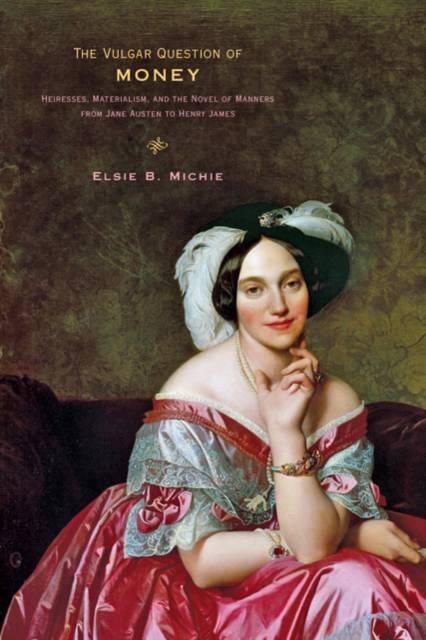
The Vulgar Question of Money
Heiresses, Materialism, and the Novel of Manners from Jane Austen to Henry James
Elsie B Michie
Paperback | Engels
€ 49,95
+ 99 punten
Uitvoering
Omschrijving
It is a familiar story line in nineteenth-century English novels: a hero must choose between money and love, between the wealthy, materialistic, status-conscious woman who could enhance his social position and the poorer, altruistic, independent-minded woman whom he loves. Elsie B. Michie explains what this common marriage plot reveals about changing reactions to money in British culture. It was in the novel that writers found space to articulate the anxieties surrounding money that developed along with the rise of capitalism in nineteenth-century England. Michie focuses in particular on the character of the wealthy heiress and how she, unlike her male counterpart, represents the tensions in British society between the desire for wealth and advancement and the fear that economic development would blur the traditional boundaries of social classes. Michie explores how novelists of the period captured with particular vividness England's ambivalent emotional responses to its own financial successes and engaged questions identical to those raised by political economists and moral philosophers. Each chapter reads a novelist alongside a contemporary thinker, tracing the development of capitalism in Britain: Jane Austen and Adam Smith and the rise of commercial society, Frances Trollope and Thomas Robert Malthus and industrialism, Anthony Trollope and Walter Bagehot and the political influence of money, Margaret Oliphant and John Stuart Mill and professionalism and managerial capitalism, and Henry James and Georg Simmel and the shift of economic dominance from England to America. Even the great romantic novels of the nineteenth century cannot disentangle themselves from the vulgar question of money. Michie's fresh reading of the marriage plot, and the choice between two women at its heart, shows it to be as much about politics and economics as it is about personal choice.
Specificaties
Betrokkenen
- Auteur(s):
- Uitgeverij:
Inhoud
- Aantal bladzijden:
- 320
- Taal:
- Engels
Eigenschappen
- Productcode (EAN):
- 9781421409641
- Verschijningsdatum:
- 28/12/2012
- Uitvoering:
- Paperback
- Formaat:
- Trade paperback (VS)
- Afmetingen:
- 152 mm x 229 mm
- Gewicht:
- 589 g


Alleen bij Standaard Boekhandel
+ 99 punten op je klantenkaart van Standaard Boekhandel
Cadeau

AANGERADEN


Beoordelingen
We publiceren alleen reviews die voldoen aan de voorwaarden voor reviews. Bekijk onze voorwaarden voor reviews.