



Bedankt voor het vertrouwen het afgelopen jaar! Om jou te bedanken bieden we GRATIS verzending (in België) aan op alles gedurende de hele maand januari.
- Afhalen na 1 uur in een winkel met voorraad
- In januari gratis thuislevering in België
- Ruim aanbod met 7 miljoen producten
Bedankt voor het vertrouwen het afgelopen jaar! Om jou te bedanken bieden we GRATIS verzending (in België) aan op alles gedurende de hele maand januari.
- Afhalen na 1 uur in een winkel met voorraad
- In januari gratis thuislevering in België
- Ruim aanbod met 7 miljoen producten





Omschrijving
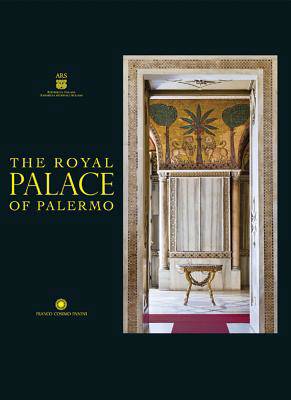
The Royal Palace of Palermo, today seat of the Sicilian Regional Assembly, is one of the symbols of Sicily and of the rich Sicilian and national patrimony. Formerly a fortress, then royal palace and finally building of government, the palace is today an extraordinary and fascinating monumental complex. A casket of artistic treasures like the Palatine Chapel commissioned by Roger II, testimony of the deep encounter between the cultures of the Normans, the Byzantines and the Arabs. The origins of the Palace go back to the xii century, while its present look is mostly due to the additions made by the Spanish viceroys during the Renaissance. Its history is rooted in the viii century B.C., when can be dated the Phoenician structures discovered during the digs of 1984. The scholarly essays of this book, together with the new photographic campaign realized by the photographer Ghigo Roli, are an indispensable guide to the history of the Royal Palace, its manifold functions and the timeless fascination of its rich artistic heritage.
Specificaties
Betrokkenen
- Uitgeverij:
Inhoud
- Aantal bladzijden:
- 264
- Taal:
- Engels
Eigenschappen
- Productcode (EAN):
- 9788857003467
- Verschijningsdatum:
- 28/03/2012
- Uitvoering:
- Hardcover
- Formaat:
- Genaaid
- Afmetingen:
- 302 mm x 307 mm
- Gewicht:
- 2585 g

Alleen bij Standaard Boekhandel
+ 167 punten op je klantenkaart van Standaard Boekhandel
SOLDEN


Beoordelingen
We publiceren alleen reviews die voldoen aan de voorwaarden voor reviews. Bekijk onze voorwaarden voor reviews.