



Bedankt voor het vertrouwen het afgelopen jaar! Om jou te bedanken bieden we GRATIS verzending (in België) aan op alles gedurende de hele maand januari.
- Afhalen na 1 uur in een winkel met voorraad
- In januari gratis thuislevering in België
- Ruim aanbod met 7 miljoen producten
Bedankt voor het vertrouwen het afgelopen jaar! Om jou te bedanken bieden we GRATIS verzending (in België) aan op alles gedurende de hele maand januari.
- Afhalen na 1 uur in een winkel met voorraad
- In januari gratis thuislevering in België
- Ruim aanbod met 7 miljoen producten





€ 234,45
+ 468 punten
Omschrijving
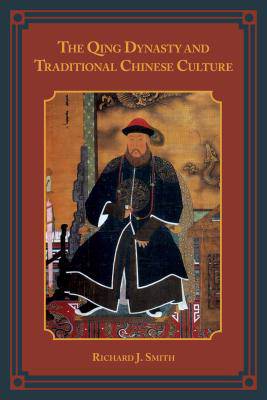
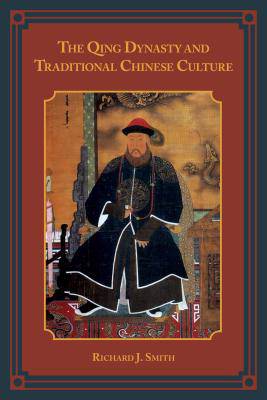
The Qing dynasty (1636-1912)-a crucial bridge between "traditional" and "modern" China-was remarkable for its expansiveness and cultural sophistication. This engaging and insightful history of Qing political, social, and cultural life traces the complex interaction between the Inner Asian traditions of the Manchus, who conquered China in 1644, and indigenous Chinese cultural traditions. Noted historian Richard J. Smith argues that the pragmatic Qing emperors presented a "Chinese" face to their subjects who lived south of the Great Wall and other ethnic faces (particularly Manchu, Mongolian, Central Asian, and Tibetan) to subjects in other parts of their vast multicultural empire. They were attracted by many aspects of Chinese culture, but far from being completely "sinicized" as many scholars argue, they were also proud of their own cultural traditions and interested in other cultures as well.
Setting Qing dynasty culture in historical and global perspective, Smith shows how the Chinese of the era viewed the world; how their outlook was expressed in their institutions, material culture, and customs; and how China's preoccupation with order, unity, and harmony contributed to the civilization's remarkable cohesiveness and continuity. Nuanced and wide-ranging, his authoritative book provides an essential introduction to late imperial Chinese culture and society.
Setting Qing dynasty culture in historical and global perspective, Smith shows how the Chinese of the era viewed the world; how their outlook was expressed in their institutions, material culture, and customs; and how China's preoccupation with order, unity, and harmony contributed to the civilization's remarkable cohesiveness and continuity. Nuanced and wide-ranging, his authoritative book provides an essential introduction to late imperial Chinese culture and society.
Specificaties
Betrokkenen
- Auteur(s):
- Uitgeverij:
Inhoud
- Aantal bladzijden:
- 560
- Taal:
- Engels
Eigenschappen
- Productcode (EAN):
- 9781442221925
- Verschijningsdatum:
- 23/10/2015
- Uitvoering:
- Hardcover
- Formaat:
- Genaaid
- Afmetingen:
- 150 mm x 231 mm
- Gewicht:
- 1111 g


Alleen bij Standaard Boekhandel
+ 468 punten op je klantenkaart van Standaard Boekhandel
SOLDEN


Beoordelingen
We publiceren alleen reviews die voldoen aan de voorwaarden voor reviews. Bekijk onze voorwaarden voor reviews.