



Bedankt voor het vertrouwen het afgelopen jaar! Om jou te bedanken bieden we GRATIS verzending (in België) aan op alles gedurende de hele maand januari.
- Afhalen na 1 uur in een winkel met voorraad
- In januari gratis thuislevering in België
- Ruim aanbod met 7 miljoen producten
Bedankt voor het vertrouwen het afgelopen jaar! Om jou te bedanken bieden we GRATIS verzending (in België) aan op alles gedurende de hele maand januari.
- Afhalen na 1 uur in een winkel met voorraad
- In januari gratis thuislevering in België
- Ruim aanbod met 7 miljoen producten





€ 58,95
+ 117 punten
Omschrijving
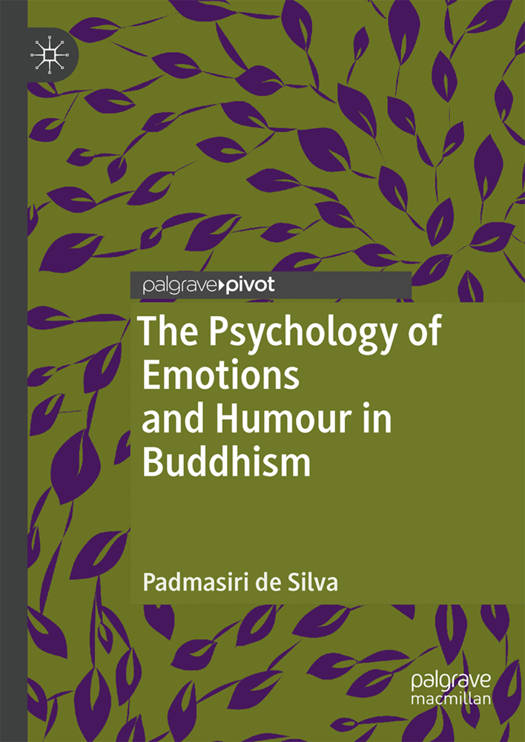
This book examines the psychological dimensions of emotions and humour in Buddhism. While there is a wealth of material concerning human emotions related to humour and the mindful management of negative emotions, very little has been written on the theory of Buddhist humour. Uniting both Buddhist and Western philosophy, the author draws upon the theory of 'incongruity humour', espoused by figures such as Kierkegaard, Kant and Hegel and absorbed into the interpretation of humour by the Buddhist monk and former Western philosopher, Ñanavira Thero. The author makes extensive use of rich primary sources such as the parables used by Ajahn Brahm while interweaving Western theories and philosophies to illuminate this original study of humour and emotion. This pioneering work will be of interest and value to students and scholars of humour, Buddhist traditions and existentialism more widely.
Specificaties
Betrokkenen
- Auteur(s):
- Uitgeverij:
Inhoud
- Aantal bladzijden:
- 80
- Taal:
- Engels
Eigenschappen
- Productcode (EAN):
- 9783319975139
- Verschijningsdatum:
- 28/09/2018
- Uitvoering:
- Hardcover
- Formaat:
- Genaaid
- Afmetingen:
- 148 mm x 210 mm
- Gewicht:
- 285 g


Alleen bij Standaard Boekhandel
+ 117 punten op je klantenkaart van Standaard Boekhandel
SOLDEN


Beoordelingen
We publiceren alleen reviews die voldoen aan de voorwaarden voor reviews. Bekijk onze voorwaarden voor reviews.