



Je cadeautjes zeker op tijd in huis hebben voor de feestdagen? Kom langs in onze winkels en vind het perfecte geschenk!
- Afhalen na 1 uur in een winkel met voorraad
- Gratis thuislevering in België vanaf € 30
- Ruim aanbod met 7 miljoen producten
Je cadeautjes zeker op tijd in huis hebben voor de feestdagen? Kom langs in onze winkels en vind het perfecte geschenk!
- Afhalen na 1 uur in een winkel met voorraad
- Gratis thuislevering in België vanaf € 30
- Ruim aanbod met 7 miljoen producten





€ 28,95
+ 57 punten
Uitvoering
Omschrijving
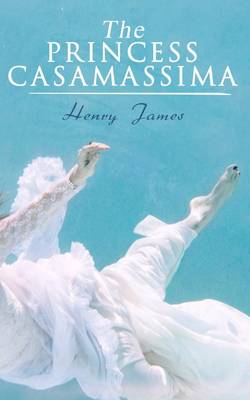
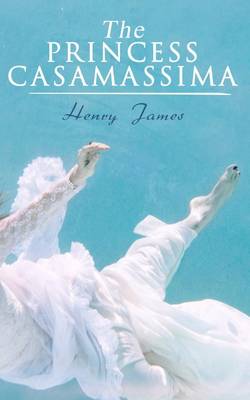
In "The Princess Casamassima," Henry James intricately weaves a narrative that delves into the complexities of identity, class, and political idealism. Set against the backdrop of late 19th-century Europe, the novel chronicles the journey of Hyacinth Robinson, a bookbinder drawn into a revolutionary fervor orchestrated by aristocrats and radicals alike. James's distinctive literary style, characterized by his psychological realism and meticulous attention to character development, offers a vivid exploration of the protagonist's internal struggles and societal influences. His use of free indirect discourse allows readers a profound insight into Hyacinth's tumultuous psyche, creating a rich tapestry of emotional depth and cultural commentary that situates the work within the broader continuum of literary modernism. Henry James, a prominent figure in American expatriate literature, was known for his keen observations of European society and his critical engagement with themes of social hierarchy and personal ambition. His own experiences as a transatlantic writer, alongside his intimate knowledge of the socio-political climate of the era, undoubtedly informed the development of "The Princess Casamassima." The novel reflects his fascination with the dichotomy between the Old World and the New, as well as his enduring inquiry into the moral implications of individual choices in a changing society. For readers intrigued by the intersections of political ideologies and personal motivations, "The Princess Casamassima" offers a compelling narrative that provokes critical thought and emotional resonance. James's masterful prose invites an exploration not only of Hyacinth's external conflicts but also of the deeper existential dilemmas that define human experience. This novel is a must-read for those seeking to understand the nuances of character and ambition within the rich tapestry of literature.
Specificaties
Betrokkenen
- Auteur(s):
- Uitgeverij:
Inhoud
- Aantal bladzijden:
- 308
- Taal:
- Engels
Eigenschappen
- Productcode (EAN):
- 9788027330836
- Verschijningsdatum:
- 14/12/2018
- Uitvoering:
- Paperback
- Formaat:
- Trade paperback (VS)
- Afmetingen:
- 152 mm x 229 mm
- Gewicht:
- 412 g


Alleen bij Standaard Boekhandel
+ 57 punten op je klantenkaart van Standaard Boekhandel
CADEAU


Beoordelingen
We publiceren alleen reviews die voldoen aan de voorwaarden voor reviews. Bekijk onze voorwaarden voor reviews.