


- Afhalen na 1 uur in een winkel met voorraad
- Gratis thuislevering in België vanaf € 30
- Ruim aanbod met 7 miljoen producten
- Afhalen na 1 uur in een winkel met voorraad
- Gratis thuislevering in België vanaf € 30
- Ruim aanbod met 7 miljoen producten





€ 203,95
+ 407 punten
Eenvoudig bestellen
Veilig betalen


Gratis thuislevering vanaf € 30 (via bpost)
Gratis levering in je Standaard Boekhandel
Omschrijving
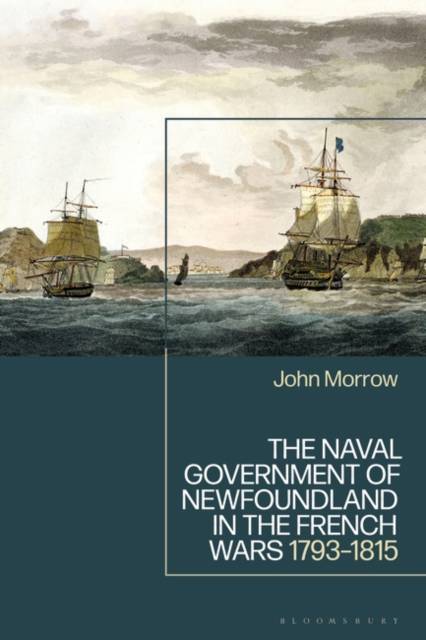
Exploring the professional and political ideas of Newfoundland naval governors during the French Wars, this book traces the evolution of the Naval Governorship and administration of the region, shedding a light on a critical period of its early modern history.
Contextualising Newfoundland as part of Britain's broader Atlantic Empire, Morrow focuses on the years 1793-1815 as it transitioned from a largely migratory fishery and 'nursery of seaman' to a colonial settlement with a resident British and Irish population. With a diversifying economy and growing demography amidst the French Revolutionary and Napoleonic Wars, the governors of Newfoundland faced a unique set of challenges. Drawing upon various primary and secondary sources, Morrow provides a comprehensive account of their responses to the perceived needs of those they governed - both settler and indigenous - and reveals the professional attitudes and attributes they brought to bear on both their civil and military responsibilities.Specificaties
Betrokkenen
- Auteur(s):
- Uitgeverij:
Inhoud
- Aantal bladzijden:
- 264
- Taal:
- Engels
Eigenschappen
- Productcode (EAN):
- 9781350383173
- Verschijningsdatum:
- 24/08/2023
- Uitvoering:
- Hardcover
- Formaat:
- Genaaid
- Afmetingen:
- 156 mm x 234 mm
- Gewicht:
- 539 g


Alleen bij Standaard Boekhandel
+ 407 punten op je klantenkaart van Standaard Boekhandel
CADEAU

AANGERADEN


Beoordelingen
We publiceren alleen reviews die voldoen aan de voorwaarden voor reviews. Bekijk onze voorwaarden voor reviews.