



Bedankt voor het vertrouwen het afgelopen jaar! Om jou te bedanken bieden we GRATIS verzending (in België) aan op alles gedurende de hele maand januari.
- Afhalen na 1 uur in een winkel met voorraad
- In januari gratis thuislevering in België
- Ruim aanbod met 7 miljoen producten
Bedankt voor het vertrouwen het afgelopen jaar! Om jou te bedanken bieden we GRATIS verzending (in België) aan op alles gedurende de hele maand januari.
- Afhalen na 1 uur in een winkel met voorraad
- In januari gratis thuislevering in België
- Ruim aanbod met 7 miljoen producten





Omschrijving
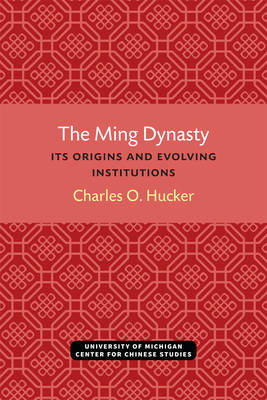
In the latter half of the fourteenth century, at one end of the Eurasian continent, the stage was not yet set for the emergence of modern nation-states. At the other end, the Chinese drove out their Mongol overlords, inaugurated a new native dynasty called Ming (1368-1644), and reasserted the mastery of their national destiny. It was a dramatic era of change, the full significance of which can only be perceived retrospectively. With the establishment of the Ming dynasty, a major historical tension rose into prominence between more absolutist and less absolutist modes of rulership. This produced a distinctive style of rule that modern students have come to call Ming despotism. It proved a capriciously absolutist pattern for Chinese government into our own time. [1, 2,3]
Specificaties
Betrokkenen
- Auteur(s):
- Uitgeverij:
Inhoud
- Aantal bladzijden:
- 105
- Taal:
- Engels
- Reeks:
Eigenschappen
- Productcode (EAN):
- 9780472038121
- Verschijningsdatum:
- 19/01/2021
- Uitvoering:
- Paperback
- Formaat:
- Trade paperback (VS)
- Afmetingen:
- 152 mm x 229 mm
- Gewicht:
- 181 g


Alleen bij Standaard Boekhandel
+ 33 punten op je klantenkaart van Standaard Boekhandel
SOLDEN


Beoordelingen
We publiceren alleen reviews die voldoen aan de voorwaarden voor reviews. Bekijk onze voorwaarden voor reviews.