



Bedankt voor het vertrouwen het afgelopen jaar! Om jou te bedanken bieden we GRATIS verzending (in België) aan op alles gedurende de hele maand januari.
- Afhalen na 1 uur in een winkel met voorraad
- In januari gratis thuislevering in België
- Ruim aanbod met 7 miljoen producten
Bedankt voor het vertrouwen het afgelopen jaar! Om jou te bedanken bieden we GRATIS verzending (in België) aan op alles gedurende de hele maand januari.
- Afhalen na 1 uur in een winkel met voorraad
- In januari gratis thuislevering in België
- Ruim aanbod met 7 miljoen producten





€ 81,45
+ 162 punten
Uitvoering
Omschrijving
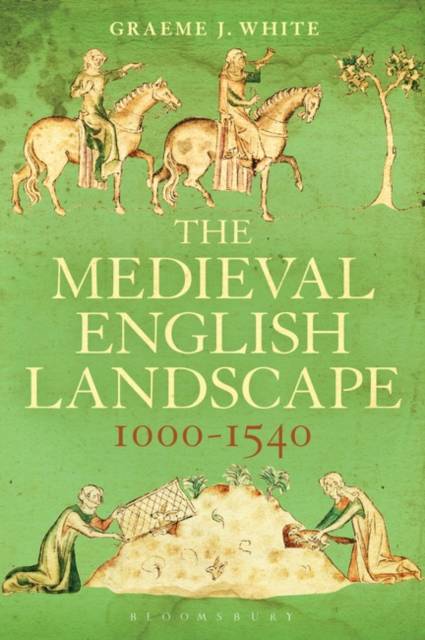
The landscape of medieval England was the product of a multitude of hands. While the power to shape the landscape inevitably lay with the Crown, the nobility and the religious houses, this study also highlights the contribution of the peasantry in the layout of rural settlements and ridge-and-furrow field works, and the funding of parish churches by ordinary townsfolk. The importance of population trends is emphasised as a major factor in shaping the medieval landscape: the rising curve of the eleventh to thirteenth centuries imposing growing pressures on resources, and the devastating impact of the Black Death leading to radical decline in the fourteenth century. Opening with a broad-ranging analysis of political and economic trends in medieval England, the book progresses thematically to assess the impact of farming, rural settlement, towns, the Church, and fortification using many original case studies. The concluding chapter charts the end of the medieval landscape with the dissolution of the monasteries, the replacement of castles by country houses, the ongoing enclosure of fields, and the growth of towns.
Specificaties
Betrokkenen
- Auteur(s):
- Uitgeverij:
Inhoud
- Aantal bladzijden:
- 208
- Taal:
- Engels
Eigenschappen
- Productcode (EAN):
- 9781441135254
- Verschijningsdatum:
- 8/11/2012
- Uitvoering:
- Paperback
- Formaat:
- Trade paperback (VS)
- Afmetingen:
- 155 mm x 234 mm
- Gewicht:
- 453 g


Alleen bij Standaard Boekhandel
+ 162 punten op je klantenkaart van Standaard Boekhandel
SOLDEN


Beoordelingen
We publiceren alleen reviews die voldoen aan de voorwaarden voor reviews. Bekijk onze voorwaarden voor reviews.