



Je cadeautjes zeker op tijd in huis hebben voor de feestdagen? Kom langs in onze winkels en vind het perfecte geschenk!
- Afhalen na 1 uur in een winkel met voorraad
- Gratis thuislevering in België vanaf € 30
- Ruim aanbod met 7 miljoen producten
Je cadeautjes zeker op tijd in huis hebben voor de feestdagen? Kom langs in onze winkels en vind het perfecte geschenk!
- Afhalen na 1 uur in een winkel met voorraad
- Gratis thuislevering in België vanaf € 30
- Ruim aanbod met 7 miljoen producten





Omschrijving
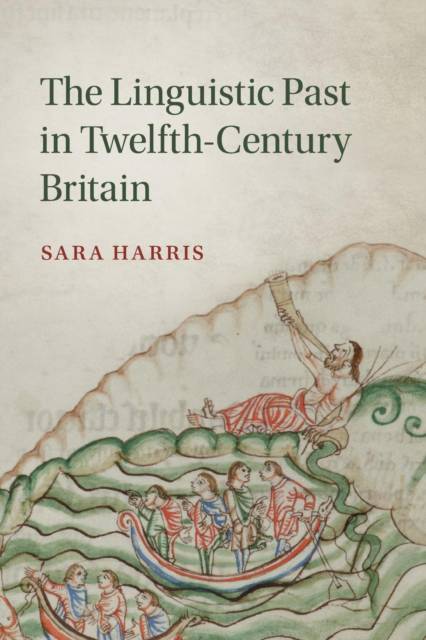
How was the complex history of Britain's languages understood by twelfth-century authors? This book argues that the social, political and linguistic upheavals that occurred in the wake of the Norman Conquest intensified later interest in the historicity of languages. An atmosphere of enquiry fostered vernacular literature's prestige and led to a newfound sense of how ancient languages could be used to convey historical claims. The vernacular hence became an important site for the construction and memorialisation of dynastic, institutional and ethnic identities. This study demonstrates the breadth of interest in the linguistic past across different social groups and the striking variety of genre used to depict it, including romance, legal translation, history, poetry and hagiography. Through a series of detailed case studies, Sara Harris shows how specific works represent key aspects of the period's imaginative engagement with English, Brittonic, Latin and French language development.
Specificaties
Betrokkenen
- Auteur(s):
- Uitgeverij:
Inhoud
- Aantal bladzijden:
- 293
- Taal:
- Engels
- Reeks:
- Reeksnummer:
- nr. 100
Eigenschappen
- Productcode (EAN):
- 9781316631874
- Verschijningsdatum:
- 11/07/2019
- Uitvoering:
- Paperback
- Formaat:
- Trade paperback (VS)
- Afmetingen:
- 152 mm x 229 mm
- Gewicht:
- 394 g



Alleen bij Standaard Boekhandel
+ 129 punten op je klantenkaart van Standaard Boekhandel
CADEAU


Beoordelingen
We publiceren alleen reviews die voldoen aan de voorwaarden voor reviews. Bekijk onze voorwaarden voor reviews.