



Je cadeautjes zeker op tijd in huis hebben voor de feestdagen? Kom langs in onze winkels en vind het perfecte geschenk!
- Afhalen na 1 uur in een winkel met voorraad
- Gratis thuislevering in België vanaf € 30
- Ruim aanbod met 7 miljoen producten
Je cadeautjes zeker op tijd in huis hebben voor de feestdagen? Kom langs in onze winkels en vind het perfecte geschenk!
- Afhalen na 1 uur in een winkel met voorraad
- Gratis thuislevering in België vanaf € 30
- Ruim aanbod met 7 miljoen producten





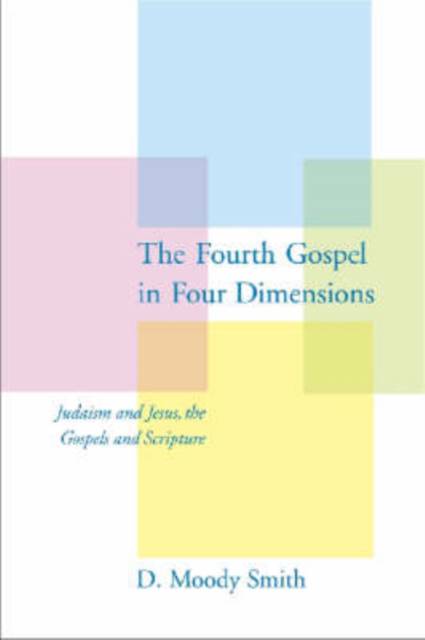
The Fourth Gospel in Four Dimensions
Judaism and Jesus, the Gospels and Scripture
D Moody Smith
Paperback | Engels
€ 64,45
+ 128 punten
Omschrijving
This multidimensional volume from the leading American scholar of Johannine studies brings together D. Moody Smith's germinal works from the past two decades along with some original articles published here for the first time. The resulting collection augments current understanding of the Gospel of John with fresh insights and research and points the way toward opportunities for new inquiry. The collection is structured around four focal issues that define contemporary studies of John. In the first section, Smith places the book within its Jewish milieu, attempting to account for the tension between the work's seeming anti-Jewishness and its familiarity with Jewish life and thought. Next Smith engages the relationship between John and the historical figure of Jesus, especially the extent to which John's representation of Jesus reflects knowledge of independent traditions as well as the self-consciousness of his own community. The third section examines John's account against the Synoptic Gospels, assessing the evidence of John's access to an independent record of the passion and the possibility that John adopted the gospel genre from Mark. Finally, Smith explores how the Gospels, and especially that of John, evolved into scripture and how they have come to be interpreted in conjunction with one another.
Specificaties
Betrokkenen
- Auteur(s):
- Uitgeverij:
Inhoud
- Aantal bladzijden:
- 304
- Taal:
- Engels
Eigenschappen
- Productcode (EAN):
- 9781570037634
- Verschijningsdatum:
- 1/10/2008
- Uitvoering:
- Paperback
- Formaat:
- Trade paperback (VS)
- Afmetingen:
- 153 mm x 229 mm
- Gewicht:
- 412 g


Alleen bij Standaard Boekhandel
+ 128 punten op je klantenkaart van Standaard Boekhandel
CADEAU


Beoordelingen
We publiceren alleen reviews die voldoen aan de voorwaarden voor reviews. Bekijk onze voorwaarden voor reviews.