



Je cadeautjes zeker op tijd in huis hebben voor de feestdagen? Kom langs in onze winkels en vind het perfecte geschenk!
- Afhalen na 1 uur in een winkel met voorraad
- Gratis thuislevering in België vanaf € 30
- Ruim aanbod met 7 miljoen producten
Je cadeautjes zeker op tijd in huis hebben voor de feestdagen? Kom langs in onze winkels en vind het perfecte geschenk!
- Afhalen na 1 uur in een winkel met voorraad
- Gratis thuislevering in België vanaf € 30
- Ruim aanbod met 7 miljoen producten





€ 43,45
+ 86 punten
Omschrijving
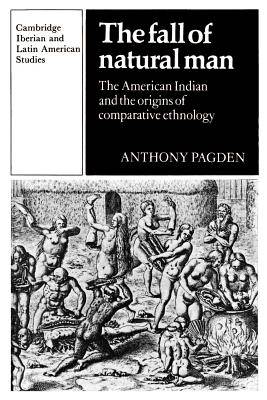
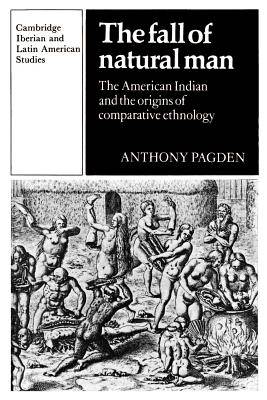
This book gives a new interpretation of the reception of the new world by the old. It is the first in-depth study of the pre-Enlightenment methods by which Europeans attempted to describe and classify the American Indian and his society. Between 1512 and 1724 a simple determinist view of human society was replaced by a more sophisticated relativist approach. Anthony Pagden uses new methods of technical analysis, already developed in philosophy and anthropology, to examine four groups of writers who analysed Indian culture: the sixteenth-century theologian, Francisco de Vitoria, and his followers; the 'champion of the Indians' Bartolomé de Las Casas; and the Jesuit historians José de Acosta and Joseph François Lafitau. Dr Pagden explains the sources for their theories and how these conditioned their observations. He also examines for the first time the key terms in each writer's vocabulary - words such as 'barbarian' and 'civil' - and the assumptions that lay beneath them.
Specificaties
Betrokkenen
- Auteur(s):
- Uitgeverij:
Inhoud
- Aantal bladzijden:
- 284
- Taal:
- Engels
- Reeks:
Eigenschappen
- Productcode (EAN):
- 9780521337045
- Verschijningsdatum:
- 9/04/1987
- Uitvoering:
- Paperback
- Formaat:
- Trade paperback (VS)
- Afmetingen:
- 158 mm x 231 mm
- Gewicht:
- 421 g


Alleen bij Standaard Boekhandel
+ 86 punten op je klantenkaart van Standaard Boekhandel
CADEAU


Beoordelingen
We publiceren alleen reviews die voldoen aan de voorwaarden voor reviews. Bekijk onze voorwaarden voor reviews.