



Je cadeautjes zeker op tijd in huis hebben voor de feestdagen? Kom langs in onze winkels en vind het perfecte geschenk!
- Afhalen na 1 uur in een winkel met voorraad
- Gratis thuislevering in België vanaf € 30
- Ruim aanbod met 7 miljoen producten
Je cadeautjes zeker op tijd in huis hebben voor de feestdagen? Kom langs in onze winkels en vind het perfecte geschenk!
- Afhalen na 1 uur in een winkel met voorraad
- Gratis thuislevering in België vanaf € 30
- Ruim aanbod met 7 miljoen producten





€ 22,45
+ 44 punten
Omschrijving
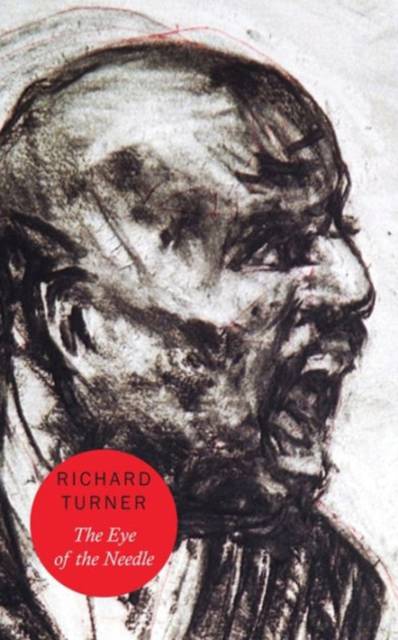
Described by Nelson Mandela as a source of inspiration, Richard Turner was a central figure in the white South African student movement and key in its radicalization. Turner acquired his doctorate at the Sorbonne in Paris, where he was inspired by the events of 1968, and returned to South Africa increasingly influenced by Steve Biko and the Black Consciousness movement. His work was forceful and revolutionary, causing him to be banned, confined to his home, and eventually assassinated by state security forces in 1978. Turner's most influential and incendiary text, The Eye of the Needle, is being returned to print at a critical moment in South African history, when many have turned their attention once again to Black Consciousness and a reconsideration of the Durban Moment.
The Eye of the Needle is a largely utopian statement, advocating for the creation of a socialist society couched in the language of Christian ideology. Against the backdrop of contemporary labor disputes and the appearance of new unions and emergent calls for the re-radicalization of South African politics, Turner's work is newly relevant. Accompanied by Tony Morphet's contextualizing essays, the book provides readers with an excellent entry point for both historical reflection on 1970s South Africa and critical engagement with contemporary social justice.
The Eye of the Needle is a largely utopian statement, advocating for the creation of a socialist society couched in the language of Christian ideology. Against the backdrop of contemporary labor disputes and the appearance of new unions and emergent calls for the re-radicalization of South African politics, Turner's work is newly relevant. Accompanied by Tony Morphet's contextualizing essays, the book provides readers with an excellent entry point for both historical reflection on 1970s South Africa and critical engagement with contemporary social justice.
Specificaties
Betrokkenen
- Auteur(s):
- Uitgeverij:
Inhoud
- Aantal bladzijden:
- 266
- Taal:
- Engels
- Reeks:
Eigenschappen
- Productcode (EAN):
- 9780857422378
- Verschijningsdatum:
- 15/08/2015
- Uitvoering:
- Hardcover
- Formaat:
- Genaaid
- Afmetingen:
- 132 mm x 215 mm
- Gewicht:
- 412 g



Alleen bij Standaard Boekhandel
+ 44 punten op je klantenkaart van Standaard Boekhandel
CADEAU


Beoordelingen
We publiceren alleen reviews die voldoen aan de voorwaarden voor reviews. Bekijk onze voorwaarden voor reviews.