



Je cadeautjes zeker op tijd in huis hebben voor de feestdagen? Kom langs in onze winkels en vind het perfecte geschenk!
- Afhalen na 1 uur in een winkel met voorraad
- Gratis thuislevering in België vanaf € 30
- Ruim aanbod met 7 miljoen producten
Je cadeautjes zeker op tijd in huis hebben voor de feestdagen? Kom langs in onze winkels en vind het perfecte geschenk!
- Afhalen na 1 uur in een winkel met voorraad
- Gratis thuislevering in België vanaf € 30
- Ruim aanbod met 7 miljoen producten





Omschrijving
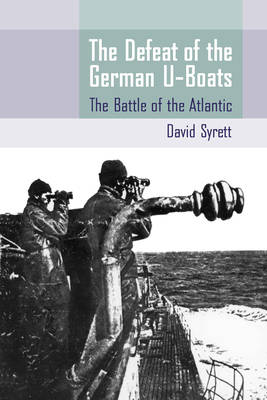
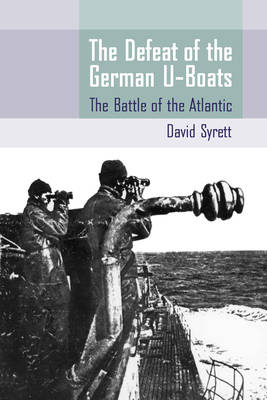
The Defeat of the German U-Boats explains the significance and the outcome of World War II's most important naval campaign in the European theater-the air and sea battle that ended Germany's bid to sever Allied supply lines in the Atlantic. David Syrett's comprehensive account offers a detailed analysis of the effort to stop German U-boat attacks on Allied merchant vessels, which by 1943 ranked as the Allies' top priority in their strategy to defeat Hitler's forces. Syrett argues that the Germans were unable to match Allied communication, technological, and tactical advances and that the Allies prevailed largely because of their skill in utilizing the material and intelligence resources at their disposal. Beginning with a detailed description of the U-boat, Syrett discusses the weaponry developed by the Allies to stop this destructive craft. He uses intelligence information-released decades after the war-to plot the progression of each Allied convoy, German U-boat assault, and Allied response. Crediting the Allied victory with keeping Britain in the war and making possible the 1944 invasion of northwest Europe, Syrett emphasizes the Battle of the Atlantic's pivotal role in determining the war's outcome.
Specificaties
Betrokkenen
- Auteur(s):
- Uitgeverij:
Inhoud
- Aantal bladzijden:
- 344
- Taal:
- Engels
- Reeks:
Eigenschappen
- Productcode (EAN):
- 9781570039522
- Verschijningsdatum:
- 25/08/2010
- Uitvoering:
- Paperback
- Formaat:
- Trade paperback (VS)
- Afmetingen:
- 152 mm x 229 mm
- Gewicht:
- 530 g


Alleen bij Standaard Boekhandel
+ 80 punten op je klantenkaart van Standaard Boekhandel
CADEAU


Beoordelingen
We publiceren alleen reviews die voldoen aan de voorwaarden voor reviews. Bekijk onze voorwaarden voor reviews.