


- Afhalen na 1 uur in een winkel met voorraad
- Gratis thuislevering in België vanaf € 30
- Ruim aanbod met 7 miljoen producten
- Afhalen na 1 uur in een winkel met voorraad
- Gratis thuislevering in België vanaf € 30
- Ruim aanbod met 7 miljoen producten





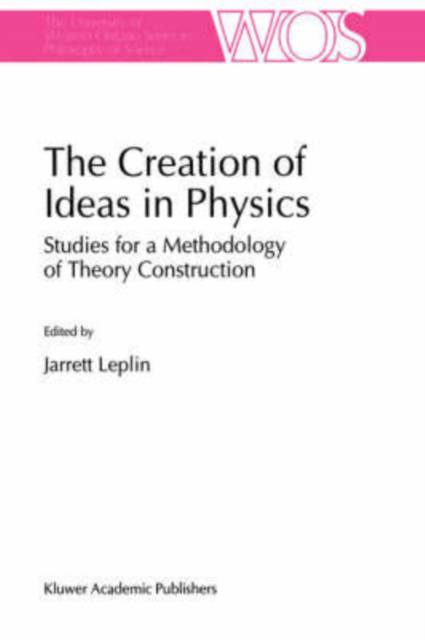
The Creation of Ideas in Physics
Studies for a Methodology of Theory Construction
€ 167,95
+ 335 punten
Eenvoudig bestellen
Veilig betalen


Gratis thuislevering vanaf € 30 (via bpost)
Gratis levering in je Standaard Boekhandel
Omschrijving
The unusual ambition of this volume is to engage scientists, historians, and philosophers in a common quest to delineate the structure of the creative thinking responsible for major advances in physical theory. The topic does not fit anyone discipline's proprietary interests, and can only be pursued cooperatively. This volume was conceived in the hope that the importance of learning something general about how theories are developed and what makes the difference between productive and abortive directions of theo- retical inquiry could overcome well-known barriers to such cooperation. The volume originated in a conference held at the University of North Carolina, Greensboro in 1988, as an installment of the annual Greensboro Symposium in Philosophy. Most of the papers descend from papers pre- sented on that occasion. The authors are well known in their own disciplines, but should be identified to the wider audience for interdisciplinary work in science studies. Rafael Sorkin, of Syracuse University, and Don Page, of the University of Alberta, are theoretical physicists who have done research in quantum gravity and cosmology. John Stachel, a physicist at Boston University, is widely known as the Director of the Einstein Project and editor of Einstein's papers. William Harper, a historian of science and philosopher at the University of Western Ontario, is a Newton scholar and specialist in decision theory.
Specificaties
Betrokkenen
- Uitgeverij:
Inhoud
- Aantal bladzijden:
- 255
- Taal:
- Engels
- Reeks:
- Reeksnummer:
- nr. 55
Eigenschappen
- Productcode (EAN):
- 9780792334613
- Verschijningsdatum:
- 30/11/1995
- Uitvoering:
- Hardcover
- Formaat:
- Genaaid
- Afmetingen:
- 156 mm x 234 mm
- Gewicht:
- 535 g

Alleen bij Standaard Boekhandel
+ 335 punten op je klantenkaart van Standaard Boekhandel
CADEAU

AANGERADEN


Beoordelingen
We publiceren alleen reviews die voldoen aan de voorwaarden voor reviews. Bekijk onze voorwaarden voor reviews.