


- Afhalen na 1 uur in een winkel met voorraad
- Gratis thuislevering in België vanaf € 30
- Ruim aanbod met 7 miljoen producten
- Afhalen na 1 uur in een winkel met voorraad
- Gratis thuislevering in België vanaf € 30
- Ruim aanbod met 7 miljoen producten




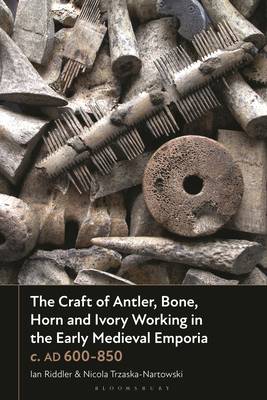
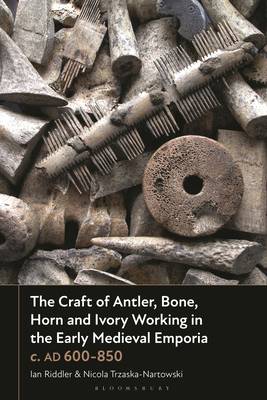
The Craft of Antler, Bone, Horn and Ivory Working in the Early Medieval Emporia C. AD 600-850
Ian Riddler, Nicola Trzaska-Nartowski
Hardcover | Engels
€ 208,45
+ 416 punten
Omschrijving
This book offers an in-depth exploration of the craft of antler, bone, horn and ivory working as it evolved within the pre-Viking emporia of northern Europe. Over the past few decades, studies of early medieval European trading settlements, known as emporia, have steadily shifted in focus from an emphasis on trade towards an appreciation of the role they played in craft production. This volume highlights one of the most conspicuous crafts to emerge in the pre-Viking emporia of northern Europe - the working of antler, bone, horn and ivory - and explores how and to what degree its development through the Merovingian and Carolingian dynasties influenced its later proliferation in significant Viking sites of the 9th and 10th centuries.
Waste materials and surviving evidence of production at most of the emporia, including both unfinished pieces and finished objects, can not only reveal the locations of workshops, but also allow for an estimate of the duration and scale of production. As the range of products created shifts over time, so too do the raw materials, with the use of antler, bone and horn oscillating across phases and exotic materials like whale bone and ivory being introduced into the mix. Through detailed analysis of a rich array of evidence across sites and regions, this study sheds new light on a wide range of questions: from the mechanisms behind the changes in production and the nature of human-animal interaction within the emporia, to the influence of the church on the craft from the late 7th century onwards and the status of its practitioners as either sedentary or itinerant, full-time or part-time. By looking outwards from northern Europe to the surrounding areas of Frisia, Anglo-Saxon England and the Insular world, it offers an expansive overview of the evolution of antler, bone, horn and ivory working during this transitional period of history, and re-evaluates the important role of the Franks in establishing what is often viewed as a Viking craft and way of life.Specificaties
Betrokkenen
- Auteur(s):
- Uitgeverij:
Inhoud
- Aantal bladzijden:
- 248
- Taal:
- Engels
Eigenschappen
- Productcode (EAN):
- 9781350292611
- Verschijningsdatum:
- 11/12/2025
- Uitvoering:
- Hardcover
- Formaat:
- Genaaid
- Afmetingen:
- 156 mm x 234 mm
- Gewicht:
- 521 g


Alleen bij Standaard Boekhandel
+ 416 punten op je klantenkaart van Standaard Boekhandel
AANGERADEN


Beoordelingen
We publiceren alleen reviews die voldoen aan de voorwaarden voor reviews. Bekijk onze voorwaarden voor reviews.