



Je cadeautjes zeker op tijd in huis hebben voor de feestdagen? Kom langs in onze winkels en vind het perfecte geschenk!
- Afhalen na 1 uur in een winkel met voorraad
- Gratis thuislevering in België vanaf € 30
- Ruim aanbod met 7 miljoen producten
Je cadeautjes zeker op tijd in huis hebben voor de feestdagen? Kom langs in onze winkels en vind het perfecte geschenk!
- Afhalen na 1 uur in een winkel met voorraad
- Gratis thuislevering in België vanaf € 30
- Ruim aanbod met 7 miljoen producten





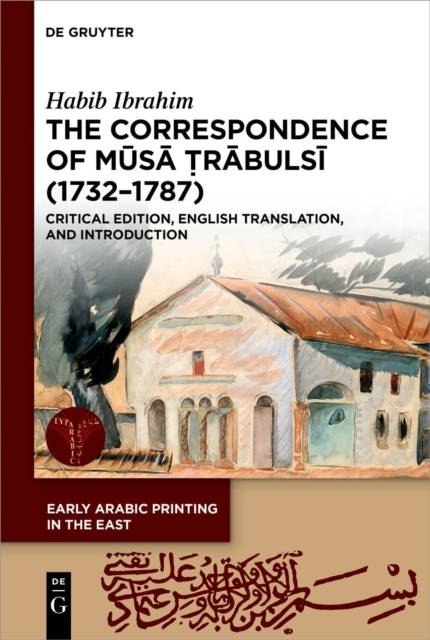
The Correspondence of Mūsā Ṭrābulsī (1732-1787)
Critical Edition, English Translation, and Introduction
Habib Ibrahim
€ 91,45
+ 182 punten
Omschrijving
The correspondence of Mūsā Ṭrābulsī preserved in the unique MS 300 of the Orthodox Syriac Patriarchate in Homs is a collection of 69 letters received mainly by Mūsā from various correspondents during his tenure as a secretary of Patriarch Sylvester of Antioch (1724-1766) and his travels in the Patriarch's company. The letters exchanged by Yūsuf Mark and Mūsā Ṭrābulsī illustrate the help that Sylvester received in Moldavia and Wallachia and his efforts to secure the printing of Christian Arabic books there in 1745-1747, and in Beirut in 1750-1753. Other letters connect Elias Fakhr and Sofronios of Kilis with this circle of Syrian intellectuals who supported many of Patriarch Sylvester's projects. The volume contains the Arabic edition of the letters, an English translation, an introduction presenting the biography of Mūsā Ṭrābulsī and key figures in the letters, a codicological study of the manuscript, and indexes. Through various sources, the editor was able to gather new bibliographical material. Thanks to these findings, we now have a deeper knowledge of the Nawfal family members, Mūsā himself, the books that interested him, and his translation activity. The present edition demonstrates that Mūsā was an exceptional figure in the history of the Antiochian patriarchate during the challenging period following the 1724 division. Although he did not attain higher ecclesiastical ranks, he was held in special esteem by the clergy of the patriarchate.
Specificaties
Betrokkenen
- Auteur(s):
- Uitgeverij:
Inhoud
- Aantal bladzijden:
- 240
- Taal:
- Engels
- Reeks:
- Reeksnummer:
- nr. 6
Eigenschappen
- Productcode (EAN):
- 9783111642239
- Verschijningsdatum:
- 29/11/2025
- Uitvoering:
- Hardcover
- Formaat:
- Genaaid
- Afmetingen:
- 156 mm x 234 mm
- Gewicht:
- 553 g


Alleen bij Standaard Boekhandel
+ 182 punten op je klantenkaart van Standaard Boekhandel
CADEAU


Beoordelingen
We publiceren alleen reviews die voldoen aan de voorwaarden voor reviews. Bekijk onze voorwaarden voor reviews.