



Bedankt voor het vertrouwen het afgelopen jaar! Om jou te bedanken bieden we GRATIS verzending (in België) aan op alles gedurende de hele maand januari.
- Afhalen na 1 uur in een winkel met voorraad
- In januari gratis thuislevering in België
- Ruim aanbod met 7 miljoen producten
Bedankt voor het vertrouwen het afgelopen jaar! Om jou te bedanken bieden we GRATIS verzending (in België) aan op alles gedurende de hele maand januari.
- Afhalen na 1 uur in een winkel met voorraad
- In januari gratis thuislevering in België
- Ruim aanbod met 7 miljoen producten





Omschrijving
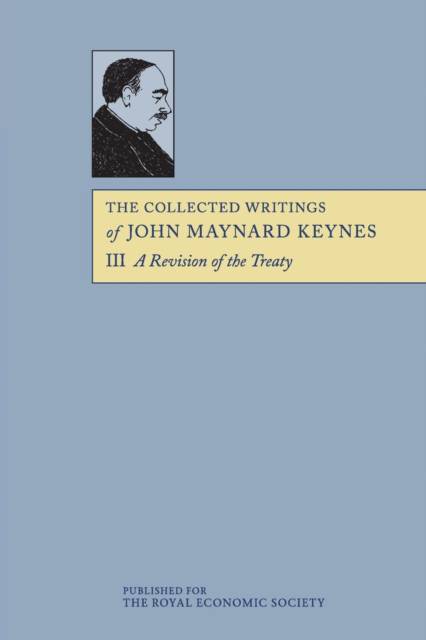
Keynes published The Economic Consequences of the Peace in December 1919. Over the next two years events moved rapidly and by the late autumn of 1921 a sequel was needed. While Keynes's views had not changed, any critical observer required a review of the new facts and materials. That is what A Revision of the Treaty provided. By May 1921 a long series of meetings between the Allied Premiers had led, through an even longer series of proposals, counterproposals, attempted settlements and sanctions imposed on Germany, to the London Settlement of Reparations of May 1921. This, as Keynes rightly foresaw, was to be no more permanent that its predecessors. This book shows Keynes at his best in the economic analysis and interpretation of detail as well as main trends, and reveals the validity of much of his earlier criticism of the peacemakers at Versailles.
Specificaties
Betrokkenen
- Auteur(s):
- Uitgeverij:
Inhoud
- Aantal bladzijden:
- 178
- Taal:
- Engels
- Reeks:
Eigenschappen
- Productcode (EAN):
- 9781107662858
- Verschijningsdatum:
- 8/11/2012
- Uitvoering:
- Paperback
- Formaat:
- Trade paperback (VS)
- Afmetingen:
- 157 mm x 231 mm
- Gewicht:
- 272 g


Alleen bij Standaard Boekhandel
+ 109 punten op je klantenkaart van Standaard Boekhandel
SOLDEN


Beoordelingen
We publiceren alleen reviews die voldoen aan de voorwaarden voor reviews. Bekijk onze voorwaarden voor reviews.