



Je cadeautjes zeker op tijd in huis hebben voor de feestdagen? Kom langs in onze winkels en vind het perfecte geschenk!
- Afhalen na 1 uur in een winkel met voorraad
- Gratis thuislevering in België vanaf € 30
- Ruim aanbod met 7 miljoen producten
Je cadeautjes zeker op tijd in huis hebben voor de feestdagen? Kom langs in onze winkels en vind het perfecte geschenk!
- Afhalen na 1 uur in een winkel met voorraad
- Gratis thuislevering in België vanaf € 30
- Ruim aanbod met 7 miljoen producten





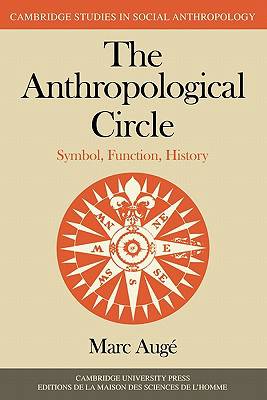
Omschrijving
Anthropology is both outside of history and within it. Histories of anthropology tend to summarise particular authors' intellectual differences; but, as Marc Augé argues in this book, first published in English in 1982, these differences may in fact be intrinsically derived from intellectual divisions within anthropology as obvious as they are irreconcilable. Augé identifies, in contemporary debates in French anthropology, the paths that perhaps allow us to transcend these oppositions. On doing so, he explores and clarifies the relationship that anthropology enjoys with history, on the intellectual plane, and with politics, on the historical plane. His argument is stimulating and challenging, and will interest all social anthropologists and sociologists concerned with the theoretical foundations of their disciplines, as well as demonstrating to historians and political scientists what anthropology has to offer them.
Specificaties
Betrokkenen
- Auteur(s):
- Vertaler(s):
- Uitgeverij:
Inhoud
- Aantal bladzijden:
- 140
- Taal:
- Engels
- Reeks:
- Reeksnummer:
- nr. 37
Eigenschappen
- Productcode (EAN):
- 9780521285483
- Verschijningsdatum:
- 7/01/1982
- Uitvoering:
- Paperback
- Formaat:
- Trade paperback (VS)
- Afmetingen:
- 152 mm x 229 mm
- Gewicht:
- 213 g


Alleen bij Standaard Boekhandel
+ 129 punten op je klantenkaart van Standaard Boekhandel
CADEAU


Beoordelingen
We publiceren alleen reviews die voldoen aan de voorwaarden voor reviews. Bekijk onze voorwaarden voor reviews.