



Je cadeautjes zeker op tijd in huis hebben voor de feestdagen? Kom langs in onze winkels en vind het perfecte geschenk!
- Afhalen na 1 uur in een winkel met voorraad
- Gratis thuislevering in België vanaf € 30
- Ruim aanbod met 7 miljoen producten
Je cadeautjes zeker op tijd in huis hebben voor de feestdagen? Kom langs in onze winkels en vind het perfecte geschenk!
- Afhalen na 1 uur in een winkel met voorraad
- Gratis thuislevering in België vanaf € 30
- Ruim aanbod met 7 miljoen producten




€ 32,45
+ 64 punten
Uitvoering
Omschrijving
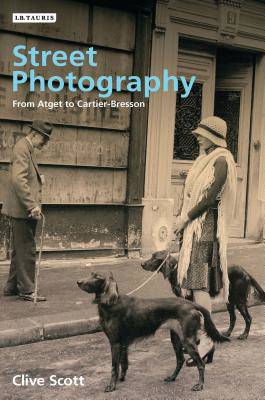
Street photography is perhaps the best-loved and most widely known of all photographic genres, with names like Cartier-Bresson, Brassai and Doisneau familiar even to those with a fleeting knowledge of the medium. Yet, what exactly is street photography? From what viewpoint does it present its subjects, and how does this viewpoint differ from that of documentary photography? Looking closely at the work of Atget, Kertesz, Bovis, Rene-Jacques, Brassai, Doisneau, Cartier- Bresson and more, this elegantly written book, extensively illustrated with both well-known and neglected works, unpicks Parisian street photography's affinity with Impressionist art, as well as its complex relationship with parallel literary trends and authors from Baudelaire to Philippe Soupault. Clive Scott traces street photography's origins, asking what really what happened to photography when it first abandoned the studio, and brings to the fore fascinating questions about the way the street photographer captures or frames those subjects - traders, lovers, entertainers - so beloved of the genre.In doing so, Scott reveals street photography to be a poetic, even 'picturesque' form, looking not to the individual but to the type; not to the 'reality' of the street but to its 'romance'.
Specificaties
Betrokkenen
- Auteur(s):
- Uitgeverij:
Inhoud
- Aantal bladzijden:
- 248
- Taal:
- Engels
Eigenschappen
- Productcode (EAN):
- 9781845112233
- Verschijningsdatum:
- 1/06/2007
- Uitvoering:
- Paperback
- Formaat:
- Trade paperback (VS)
- Afmetingen:
- 147 mm x 221 mm
- Gewicht:
- 476 g


Alleen bij Standaard Boekhandel
+ 64 punten op je klantenkaart van Standaard Boekhandel
CADEAU


Beoordelingen
We publiceren alleen reviews die voldoen aan de voorwaarden voor reviews. Bekijk onze voorwaarden voor reviews.