

- Afhalen na 1 uur in een winkel met voorraad
- Gratis thuislevering in België vanaf € 30
- Ruim aanbod met 7 miljoen producten
- Afhalen na 1 uur in een winkel met voorraad
- Gratis thuislevering in België vanaf € 30
- Ruim aanbod met 7 miljoen producten





€ 167,95
+ 335 punten
Uitvoering
Omschrijving
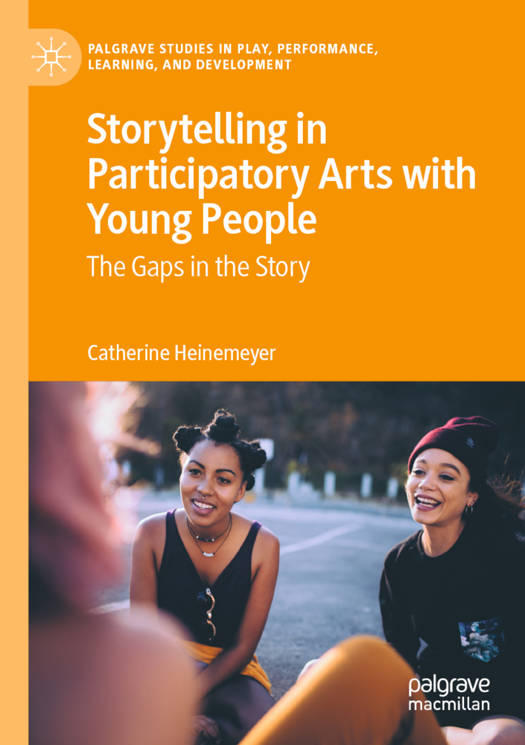
This book draws on the author's experience as a storyteller, drama practitioner and researcher, to articulate an emerging dialogic approach to storytelling in participatory arts, educational, mental health, youth theatre, and youth work contexts. It argues that oral storytelling offers a rich and much-needed channel for intergenerational dialogue with young people.
The book keeps theory firmly tethered to practice. Section 1, 'Storyknowing', traces the history of oral storytelling practice with adolescents across diverse contexts, and brings into clear focus the particular nature of the storytelling exchange and narrative knowledge. Section 2, 'Telling Stories', introduces readers to some of the key challenges and possibilities of dialogic storytelling by reflecting on stories from the author's own arts-based practice research with adolescents, illustrating these with young people's artistic responses to stories. Finally, section 3, 'Story Gaps', conceptualises dialogic storytelling by exploring three different 'gaps' the gap between storyteller and listener, the gaps in the story, and the gaps which storytellers can open up within institutions.
The book includes chapters taking a special focus on storytelling in schools and in mental health settings, as well as guided reflections for readers to relate the issues raised to their own practice.
The book keeps theory firmly tethered to practice. Section 1, 'Storyknowing', traces the history of oral storytelling practice with adolescents across diverse contexts, and brings into clear focus the particular nature of the storytelling exchange and narrative knowledge. Section 2, 'Telling Stories', introduces readers to some of the key challenges and possibilities of dialogic storytelling by reflecting on stories from the author's own arts-based practice research with adolescents, illustrating these with young people's artistic responses to stories. Finally, section 3, 'Story Gaps', conceptualises dialogic storytelling by exploring three different 'gaps' the gap between storyteller and listener, the gaps in the story, and the gaps which storytellers can open up within institutions.
The book includes chapters taking a special focus on storytelling in schools and in mental health settings, as well as guided reflections for readers to relate the issues raised to their own practice.
Specificaties
Betrokkenen
- Auteur(s):
- Uitgeverij:
Inhoud
- Aantal bladzijden:
- 280
- Taal:
- Engels
- Reeks:
Eigenschappen
- Productcode (EAN):
- 9783030405830
- Verschijningsdatum:
- 1/07/2021
- Uitvoering:
- Paperback
- Formaat:
- Trade paperback (VS)
- Afmetingen:
- 148 mm x 210 mm
- Gewicht:
- 385 g


Alleen bij Standaard Boekhandel
+ 335 punten op je klantenkaart van Standaard Boekhandel

Beoordelingen
We publiceren alleen reviews die voldoen aan de voorwaarden voor reviews. Bekijk onze voorwaarden voor reviews.