


- Afhalen na 1 uur in een winkel met voorraad
- Gratis thuislevering in België vanaf € 30
- Ruim aanbod met 7 miljoen producten
- Afhalen na 1 uur in een winkel met voorraad
- Gratis thuislevering in België vanaf € 30
- Ruim aanbod met 7 miljoen producten





Omschrijving
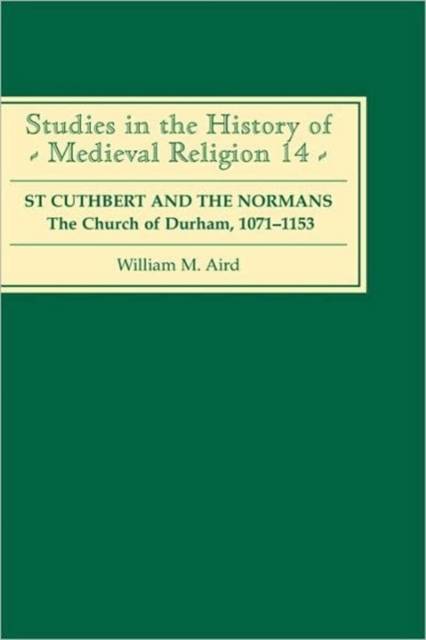
North-east England experienced the Norman Conquest rather differently from the south of the country. This account of events in Northumbria gives an important alternative view of the Conquest and settlement, distinct from the more usual southern and court-centred evidence. A key factor in events was the monastic community of St Cuthbert in Durham, which had survived the political upheavals following the collapse of the Northumbrian kingdom under Scandinavian pressure in the ninth century. Its position thus strengthened, it occupied an influential place in the factors ranged against the Normans, who recognised in the community a powerful force for resistance. The history of the community during the Anglo-Norman period is closely examined, particularly the relationship between the new Norman bishops and the monastic cathedral chapter and their respective rights and privileges. From this detailed study, Dr Aird argues that conquest, in the north-east at least, took a different, less traumatic form from that generally assumed from the early twelfth-century description of the reformation of the church in 1083. Throughout this account of events in Durham in the years following the conquest, Dr Aird is careful also to give due emphasis to relations with the Scots kings of the later eleventh and twelfth centuries, and to the distinctive nature of medieval Northumbria and the Haliwerfolc in particular, that region subject to the bishops of the Church. Dr WILLIAM M. AIRD lectures in the School of History and Archaeology at Cardiff University.
Specificaties
Betrokkenen
- Auteur(s):
- Uitgeverij:
Inhoud
- Aantal bladzijden:
- 328
- Taal:
- Engels
- Reeks:
- Reeksnummer:
- nr. 14
Eigenschappen
- Productcode (EAN):
- 9780851156156
- Verschijningsdatum:
- 22/10/1998
- Uitvoering:
- Hardcover
- Formaat:
- Genaaid
- Afmetingen:
- 178 mm x 228 mm
- Gewicht:
- 898 g


Alleen bij Standaard Boekhandel
+ 418 punten op je klantenkaart van Standaard Boekhandel
AANGERADEN


Beoordelingen
We publiceren alleen reviews die voldoen aan de voorwaarden voor reviews. Bekijk onze voorwaarden voor reviews.