



Je cadeautjes zeker op tijd in huis hebben voor de feestdagen? Kom langs in onze winkels en vind het perfecte geschenk!
- Afhalen na 1 uur in een winkel met voorraad
- Gratis thuislevering in België vanaf € 30
- Ruim aanbod met 7 miljoen producten
Je cadeautjes zeker op tijd in huis hebben voor de feestdagen? Kom langs in onze winkels en vind het perfecte geschenk!
- Afhalen na 1 uur in een winkel met voorraad
- Gratis thuislevering in België vanaf € 30
- Ruim aanbod met 7 miljoen producten





€ 102,45
+ 204 punten
Uitvoering
Omschrijving
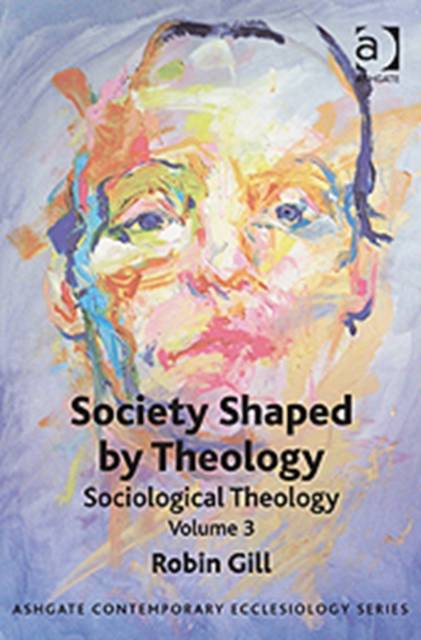
Over the last thirty years a number of theologians have been using aspects of sociology alongside the more traditional resources of philosophy. In turn, sociologists with an interest in theology have also contributed to an interaction between theology and sociology. The time is right to revisit the dialogue between theologians and sociologists. In his new trilogy on Sociological Theology, Robin Gill makes a renewed contribution to the mapping of three abiding ways of relating theology and sociology, with the three volumes covering: Theology in a Social Context; Theology Shaped by Society; Society Shaped by Theology. Society Shaped by Theology explores the possibility that theological concepts may sometimes still be influential in the modern world. It follows in the tradition of Max Weber, arguing that theological virtues and debates can at times be transposed, wittingly or unwittingly, into society at large. Robin Gill examines the unusual instance of the public debate about Honest to God in the 1960s, but then turns to the current debate about faith and social capital, adding fresh and unexpected evidence. Finally Gill argues that bioethics in the public domain, especially on global issues such as AIDS, can be enriched and deepened by a judicious use of theological virtues.
Specificaties
Betrokkenen
- Auteur(s):
- Uitgeverij:
Inhoud
- Aantal bladzijden:
- 264
- Taal:
- Engels
- Reeks:
Eigenschappen
- Productcode (EAN):
- 9781409426004
- Verschijningsdatum:
- 16/04/2013
- Uitvoering:
- Paperback
- Formaat:
- Trade paperback (VS)
- Afmetingen:
- 156 mm x 234 mm
- Gewicht:
- 371 g


Alleen bij Standaard Boekhandel
+ 204 punten op je klantenkaart van Standaard Boekhandel
CADEAU


Beoordelingen
We publiceren alleen reviews die voldoen aan de voorwaarden voor reviews. Bekijk onze voorwaarden voor reviews.