



Bedankt voor het vertrouwen het afgelopen jaar! Om jou te bedanken bieden we GRATIS verzending (in België) aan op alles gedurende de hele maand januari.
- Afhalen na 1 uur in een winkel met voorraad
- Gratis thuislevering in België vanaf € 30
- Ruim aanbod met 7 miljoen producten
Bedankt voor het vertrouwen het afgelopen jaar! Om jou te bedanken bieden we GRATIS verzending (in België) aan op alles gedurende de hele maand januari.
- Afhalen na 1 uur in een winkel met voorraad
- Gratis thuislevering in België vanaf € 30
- Ruim aanbod met 7 miljoen producten





€ 101,95
+ 203 punten
Omschrijving
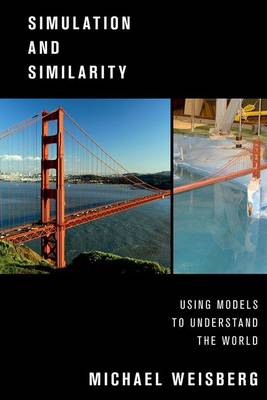
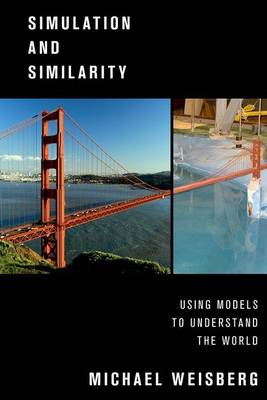
In the 1950s, John Reber convinced many Californians that the best way to solve the state's water shortage problem was to dam up the San Francisco Bay. Against massive political pressure, Reber's opponents persuaded lawmakers that doing so would lead to disaster. They did this not by empirical measurement alone, but also through the construction of a model. Simulation and Similarity explains why this was a good strategy while simultaneously providing an account of modeling and idealization in modern scientific practice. Michael Weisberg focuses on concrete, mathematical, and computational models in his consideration of the nature of models, the practice of modeling, and nature of the relationship between models and real-world phenomena.
Specificaties
Betrokkenen
- Auteur(s):
- Uitgeverij:
Inhoud
- Aantal bladzijden:
- 212
- Taal:
- Engels
- Reeks:
Eigenschappen
- Productcode (EAN):
- 9780190265120
- Verschijningsdatum:
- 1/10/2015
- Uitvoering:
- Paperback
- Formaat:
- Trade paperback (VS)
- Afmetingen:
- 152 mm x 231 mm
- Gewicht:
- 317 g


Alleen bij Standaard Boekhandel
+ 203 punten op je klantenkaart van Standaard Boekhandel
CADEAU


Beoordelingen
We publiceren alleen reviews die voldoen aan de voorwaarden voor reviews. Bekijk onze voorwaarden voor reviews.