



Je cadeautjes zeker op tijd in huis hebben voor de feestdagen? Kom langs in onze winkels en vind het perfecte geschenk!
- Afhalen na 1 uur in een winkel met voorraad
- Gratis thuislevering in België vanaf € 30
- Ruim aanbod met 7 miljoen producten
Je cadeautjes zeker op tijd in huis hebben voor de feestdagen? Kom langs in onze winkels en vind het perfecte geschenk!
- Afhalen na 1 uur in een winkel met voorraad
- Gratis thuislevering in België vanaf € 30
- Ruim aanbod met 7 miljoen producten





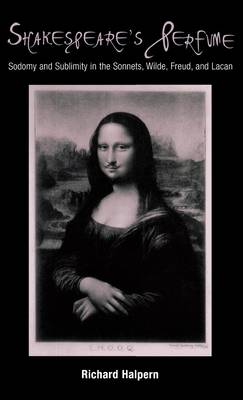
Shakespeare's Perfume
Sodomy and Sublimity in the Sonnets, Wilde, Freud, and Lacan
Richard Halpern
Hardcover | Engels
€ 57,95
+ 115 punten
Omschrijving
Starting with St. Paul's argument that the Greeks were afflicted with homosexuality to punish their excessive love of statues, Richard Halpern uncovers a tradition in which aesthetic experience gives birth to the sexual--and thus reverses the Freudian thesis that erotic desire is sublimated into art. Rather, Halpern argues, sodomy was implicated with aesthetic categories from the very start, as he traces a connection between sodomy and the unrepresentable that runs from Shakespeare's Sonnets to Oscar Wilde's novella The Portrait of Mr. W.H., Freud's famous essay on Leonardo da Vinci, and Jacques Lacan's seminar on the ethics of psychoanalysis. Drawing on theology, alchemy, psychoanalysis, philosophy, and literary criticism, Shakespeare's Perfume explores how the history of aesthetics and the history of sexuality are fundamentally connected.
Specificaties
Betrokkenen
- Auteur(s):
- Uitgeverij:
Inhoud
- Aantal bladzijden:
- 134
- Taal:
- Engels
Eigenschappen
- Productcode (EAN):
- 9780812236613
- Verschijningsdatum:
- 29/05/2002
- Uitvoering:
- Hardcover
- Formaat:
- Genaaid
- Afmetingen:
- 147 mm x 218 mm
- Gewicht:
- 317 g


Alleen bij Standaard Boekhandel
+ 115 punten op je klantenkaart van Standaard Boekhandel
CADEAU


Beoordelingen
We publiceren alleen reviews die voldoen aan de voorwaarden voor reviews. Bekijk onze voorwaarden voor reviews.