



Bedankt voor het vertrouwen het afgelopen jaar! Om jou te bedanken bieden we GRATIS verzending (in België) aan op alles gedurende de hele maand januari.
- Afhalen na 1 uur in een winkel met voorraad
- In januari gratis thuislevering in België
- Ruim aanbod met 7 miljoen producten
Bedankt voor het vertrouwen het afgelopen jaar! Om jou te bedanken bieden we GRATIS verzending (in België) aan op alles gedurende de hele maand januari.
- Afhalen na 1 uur in een winkel met voorraad
- In januari gratis thuislevering in België
- Ruim aanbod met 7 miljoen producten





€ 82,45
+ 164 punten
Uitvoering
Omschrijving
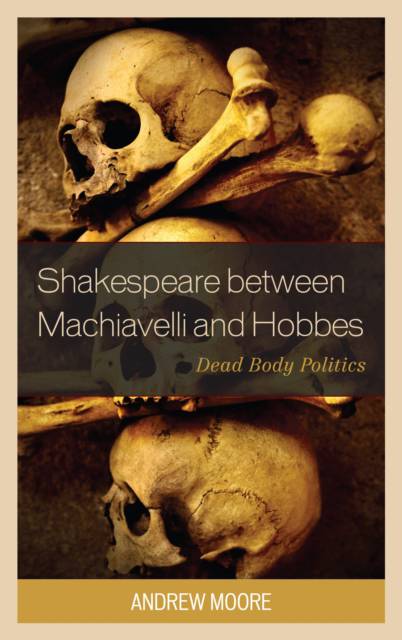
Shakespeare between Machiavelli and Hobbes explores Shakespeare's political outlook by comparing some of the playwright's best-known works to the works of Italian political theorist Niccolò Machiavelli and English social contract theorist Thomas Hobbes. By situating Shakespeare 'between' these two thinkers, the distinctly modern trajectory of the playwright's work becomes visible. Throughout his career, Shakespeare interrogates the divine right of kings, absolute monarchy, and the metaphor of the body politic. Simultaneously he helps to lay the groundwork for modern politics through his dramatic explorations of consent, liberty, and political violence. We can thus understand Shakespeare's corpus as a kind of eulogy: a funeral speech dedicated to outmoded and deficient theories of politics. We can also understand him as a revolutionary political thinker who, along with Machiavelli and Hobbes, reimagined the origins and ends of government. All three thinkers understood politics primarily as a response to our mortality. They depict politics as the art of managing and organizing human bodies--caring for their needs, making space for the satisfaction of desires, and protecting them from the threat of violent death. This book features new readings of Shakespeare's plays that illuminate the playwright's major political preoccupations and his investment in materialist politics.
Specificaties
Betrokkenen
- Auteur(s):
- Uitgeverij:
Inhoud
- Aantal bladzijden:
- 190
- Taal:
- Engels
- Reeks:
Eigenschappen
- Productcode (EAN):
- 9781498514095
- Verschijningsdatum:
- 23/03/2018
- Uitvoering:
- Paperback
- Formaat:
- Trade paperback (VS)
- Afmetingen:
- 152 mm x 229 mm
- Gewicht:
- 285 g



Alleen bij Standaard Boekhandel
+ 164 punten op je klantenkaart van Standaard Boekhandel
SOLDEN


Beoordelingen
We publiceren alleen reviews die voldoen aan de voorwaarden voor reviews. Bekijk onze voorwaarden voor reviews.