



Je cadeautjes zeker op tijd in huis hebben voor de feestdagen? Kom langs in onze winkels en vind het perfecte geschenk!
- Afhalen na 1 uur in een winkel met voorraad
- Gratis thuislevering in België vanaf € 30
- Ruim aanbod met 7 miljoen producten
Je cadeautjes zeker op tijd in huis hebben voor de feestdagen? Kom langs in onze winkels en vind het perfecte geschenk!
- Afhalen na 1 uur in een winkel met voorraad
- Gratis thuislevering in België vanaf € 30
- Ruim aanbod met 7 miljoen producten





Omschrijving
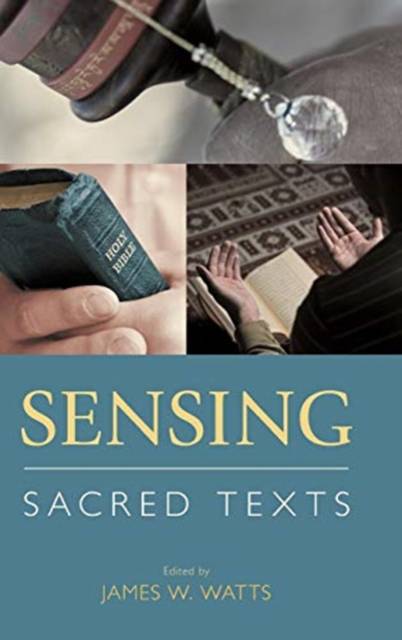
All the human senses become engaged in ritualizing sacred texts. These essays focus especially on ritualizing the iconic dimension of texts through the senses of sight, touch, kiss, and taste, both directly and in the imagination. Ritualized display of books engages the sense of sight very differently than does reading. Touching gets associated with reading scriptures, but touching also enables using the scripture as an amulet. Eating and consuming texts is a ubiquitous analogy for internalizing the contents of texts by reading and memorization. The idea of textual consumption reflects a widespread tendency to equate humans and written texts by their interiority and exteriority: books and people both have material bodies, yet both seem to contain immaterial ideas. Books thus physically incarnate cultural and religious values, doctrines, beliefs, and ideas. These essays bring theories of comparative scriptures and affect theory to bear on the topic as well as rich ethnographic descriptions of scriptural practices with Jewish, Sikh, Muslim, Christian, Buddhist and modern art and historical accounts of changing practices with sacred texts in ancient and medieval China and Korea, and in ancient Middle Eastern and Mediterranean cultures.
Specificaties
Betrokkenen
- Uitgeverij:
Inhoud
- Aantal bladzijden:
- 256
- Taal:
- Engels
Eigenschappen
- Productcode (EAN):
- 9781781795750
- Verschijningsdatum:
- 1/10/2018
- Uitvoering:
- Hardcover
- Formaat:
- Genaaid
- Afmetingen:
- 156 mm x 234 mm
- Gewicht:
- 580 g

Alleen bij Standaard Boekhandel
+ 209 punten op je klantenkaart van Standaard Boekhandel
CADEAU


Beoordelingen
We publiceren alleen reviews die voldoen aan de voorwaarden voor reviews. Bekijk onze voorwaarden voor reviews.