


- Afhalen na 1 uur in een winkel met voorraad
- Gratis thuislevering in België vanaf € 30
- Ruim aanbod met 7 miljoen producten
- Afhalen na 1 uur in een winkel met voorraad
- Gratis thuislevering in België vanaf € 30
- Ruim aanbod met 7 miljoen producten





€ 125,95
+ 251 punten
Uitvoering
Eenvoudig bestellen
Veilig betalen


Gratis thuislevering vanaf € 30 (via bpost)
Gratis levering in je Standaard Boekhandel
Omschrijving
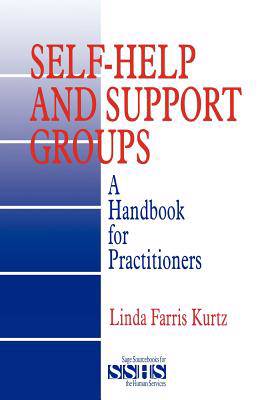
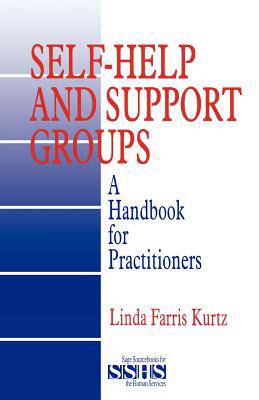
The first volume to address both self-help and support groups and provide a clear distinction between the two, Self-Help and Support Groups dispels misunderstandings and inaccurate assumptions about how they function, whom they attract, and how they help participants achieve goals. Author Linda Farris Kurtz informs students and practitioners in the human services about the concepts, theories, and research involving self-help and support groups. She provides practical advice and direction to professionals for working with these groups while analyzing self-help/support organizations on three different levels--in terms of the groups themselves, the groupsÆ members, and the practitionerÆs interaction with the groups. In addition, this comprehensive volume discusses the most prominent representative associations as examples of different types of groups, including Alcoholics Anonymous, Recovery, Inc., National Alliance for the Mentally Ill, and the AlzheimerÆs Association. It also examines the rise of telephone and on-line self-help, considering the advantages and disadvantages of this style of group interaction. As an added bonus, each chapter includes exercises and discussion questions. Filling the void in literature on this neglected topic, Self-Help and Support Groups is an excellent resource for students, researchers, and professionals in social work, human services, and clinical/counseling psychology.
Specificaties
Betrokkenen
- Auteur(s):
- Uitgeverij:
Inhoud
- Aantal bladzijden:
- 248
- Taal:
- Engels
- Reeks:
- Reeksnummer:
- nr. 34
Eigenschappen
- Productcode (EAN):
- 9780803970991
- Verschijningsdatum:
- 1/01/1997
- Uitvoering:
- Paperback
- Formaat:
- Trade paperback (VS)
- Afmetingen:
- 142 mm x 217 mm
- Gewicht:
- 317 g


Alleen bij Standaard Boekhandel
+ 251 punten op je klantenkaart van Standaard Boekhandel
CADEAU

AANGERADEN


Beoordelingen
We publiceren alleen reviews die voldoen aan de voorwaarden voor reviews. Bekijk onze voorwaarden voor reviews.