



Je cadeautjes zeker op tijd in huis hebben voor de feestdagen? Kom langs in onze winkels en vind het perfecte geschenk!
- Afhalen na 1 uur in een winkel met voorraad
- Gratis thuislevering in België vanaf € 30
- Ruim aanbod met 7 miljoen producten
Je cadeautjes zeker op tijd in huis hebben voor de feestdagen? Kom langs in onze winkels en vind het perfecte geschenk!
- Afhalen na 1 uur in een winkel met voorraad
- Gratis thuislevering in België vanaf € 30
- Ruim aanbod met 7 miljoen producten





Omschrijving
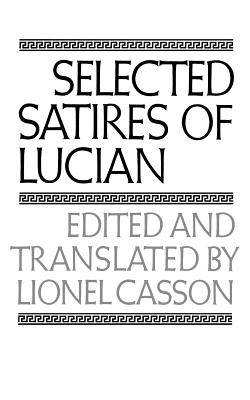
Lucian, born in Syria in the second century C.E., came to Greece at an early age and mastered its language and literature. He took up law, left it for public speaking, then turned to full-time writing, producing the wide range of subject matter and literary form which is represented in this collection.
A master of the vivid scene, Lucian used his pungent style to ridicule the tyrants, prophets, waning gods, and hypocrite philosophers of his own day and the centuries preceding him. His most typical genre is a parody of a Platonic dialogue, but he also excelled in straight narrative, as in the elaborate spoof "A True Story" and the old folk tale outrageously retold, "Lucius, the Ass." His skeptical mind and imaginative irony have influenced generations of artists and writers, and now in Professor Casson's new translations can be freshly enjoyed today.
A master of the vivid scene, Lucian used his pungent style to ridicule the tyrants, prophets, waning gods, and hypocrite philosophers of his own day and the centuries preceding him. His most typical genre is a parody of a Platonic dialogue, but he also excelled in straight narrative, as in the elaborate spoof "A True Story" and the old folk tale outrageously retold, "Lucius, the Ass." His skeptical mind and imaginative irony have influenced generations of artists and writers, and now in Professor Casson's new translations can be freshly enjoyed today.
Specificaties
Betrokkenen
- Auteur(s):
- Vertaler(s):
- Uitgeverij:
Inhoud
- Aantal bladzijden:
- 398
- Taal:
- Engels
Eigenschappen
- Productcode (EAN):
- 9780393004434
- Verschijningsdatum:
- 1/04/1968
- Uitvoering:
- Paperback
- Formaat:
- Trade paperback (VS)
- Afmetingen:
- 124 mm x 201 mm
- Gewicht:
- 430 g


Alleen bij Standaard Boekhandel
+ 76 punten op je klantenkaart van Standaard Boekhandel
CADEAU


Beoordelingen
We publiceren alleen reviews die voldoen aan de voorwaarden voor reviews. Bekijk onze voorwaarden voor reviews.