



Bedankt voor het vertrouwen het afgelopen jaar! Om jou te bedanken bieden we GRATIS verzending (in België) aan op alles gedurende de hele maand januari.
- Afhalen na 1 uur in een winkel met voorraad
- In januari gratis thuislevering in België
- Ruim aanbod met 7 miljoen producten
Bedankt voor het vertrouwen het afgelopen jaar! Om jou te bedanken bieden we GRATIS verzending (in België) aan op alles gedurende de hele maand januari.
- Afhalen na 1 uur in een winkel met voorraad
- In januari gratis thuislevering in België
- Ruim aanbod met 7 miljoen producten





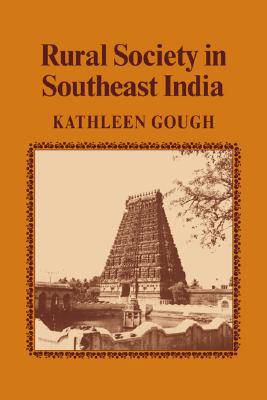
Omschrijving
This book is a comparative study of caste and class in two small villages in the Thanjāvūr district of southeast India based on fieldwork done by the author in 1951-3. Differing from the usual village study, Gough's work traces the history of the villages over the past century and examines the impact of colonialism on the district since 1770. The volume's theoretical significance lies in its attempt to define more clearly the characteristics of rural class relations, particularly addressing the question whether Indian agrarian relations are still precapitalist. This study not only provides a vivid account of village life in southeast India in the 1950s (to be followed by a later study done in the 1970s), but also contributes to theory concerning modes of production, class structures in the Third World, and underdevelopment.
Specificaties
Betrokkenen
- Auteur(s):
- Uitgeverij:
Inhoud
- Aantal bladzijden:
- 476
- Taal:
- Engels
- Reeks:
- Reeksnummer:
- nr. 38
Eigenschappen
- Productcode (EAN):
- 9780521040198
- Verschijningsdatum:
- 3/01/2008
- Uitvoering:
- Paperback
- Formaat:
- Trade paperback (VS)
- Afmetingen:
- 152 mm x 229 mm
- Gewicht:
- 693 g


Alleen bij Standaard Boekhandel
+ 207 punten op je klantenkaart van Standaard Boekhandel
SOLDEN


Beoordelingen
We publiceren alleen reviews die voldoen aan de voorwaarden voor reviews. Bekijk onze voorwaarden voor reviews.