



Bedankt voor het vertrouwen het afgelopen jaar! Om jou te bedanken bieden we GRATIS verzending (in België) aan op alles gedurende de hele maand januari.
- Afhalen na 1 uur in een winkel met voorraad
- In januari gratis thuislevering in België
- Ruim aanbod met 7 miljoen producten
Bedankt voor het vertrouwen het afgelopen jaar! Om jou te bedanken bieden we GRATIS verzending (in België) aan op alles gedurende de hele maand januari.
- Afhalen na 1 uur in een winkel met voorraad
- In januari gratis thuislevering in België
- Ruim aanbod met 7 miljoen producten





Omschrijving
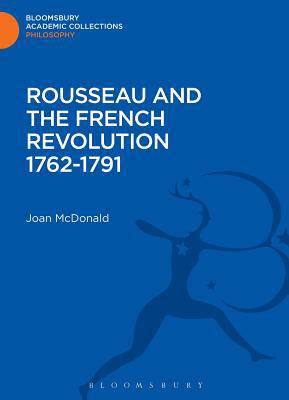
From 1789 onwards there sprang up a fervent revolutionary cult of Rousseau, and at each stage in the subsequent unfolding of the drama of the Revolution historians have seen Rousseau's influence at work. Mrs McDonald seeks in this study to trace the development of the cult and to define the nature of the influence by means of a detailed survey of the appeals made to the authority of Rousseau in books, pamphlets and accounts of speeches put forth by revolutionary and counter-revolutionary writers between 1762 and 1791, and she reaches conclusions more complex than those which have been commonly accepted.
She is able to show that most of the writers on the revolutionary side who invoked Rousseau's name did so in order to put forward their own views and used arguments that were often in direct contradiction with those which he had formulated; the Social Contract was not widely read in these years, and those revolutionaries who did actually study it were often critical of what they found there. By contrast, the most careful analysis of Rousseau's political theory is to be found in the pamphlets written by aristocratic critics of the Revolution in protest against the misuse to which his name had been put.
She is able to show that most of the writers on the revolutionary side who invoked Rousseau's name did so in order to put forward their own views and used arguments that were often in direct contradiction with those which he had formulated; the Social Contract was not widely read in these years, and those revolutionaries who did actually study it were often critical of what they found there. By contrast, the most careful analysis of Rousseau's political theory is to be found in the pamphlets written by aristocratic critics of the Revolution in protest against the misuse to which his name had been put.
Specificaties
Betrokkenen
- Auteur(s):
- Uitgeverij:
Inhoud
- Aantal bladzijden:
- 190
- Taal:
- Engels
- Reeks:
Eigenschappen
- Productcode (EAN):
- 9781472513892
- Verschijningsdatum:
- 2/01/2014
- Uitvoering:
- Hardcover
- Formaat:
- Genaaid
- Afmetingen:
- 156 mm x 234 mm
- Gewicht:
- 467 g


Alleen bij Standaard Boekhandel
+ 644 punten op je klantenkaart van Standaard Boekhandel
SOLDEN


Beoordelingen
We publiceren alleen reviews die voldoen aan de voorwaarden voor reviews. Bekijk onze voorwaarden voor reviews.