



Bedankt voor het vertrouwen het afgelopen jaar! Om jou te bedanken bieden we GRATIS verzending (in België) aan op alles gedurende de hele maand januari.
- Afhalen na 1 uur in een winkel met voorraad
- In januari gratis thuislevering in België
- Ruim aanbod met 7 miljoen producten
Bedankt voor het vertrouwen het afgelopen jaar! Om jou te bedanken bieden we GRATIS verzending (in België) aan op alles gedurende de hele maand januari.
- Afhalen na 1 uur in een winkel met voorraad
- In januari gratis thuislevering in België
- Ruim aanbod met 7 miljoen producten





€ 67,95
+ 135 punten
Omschrijving
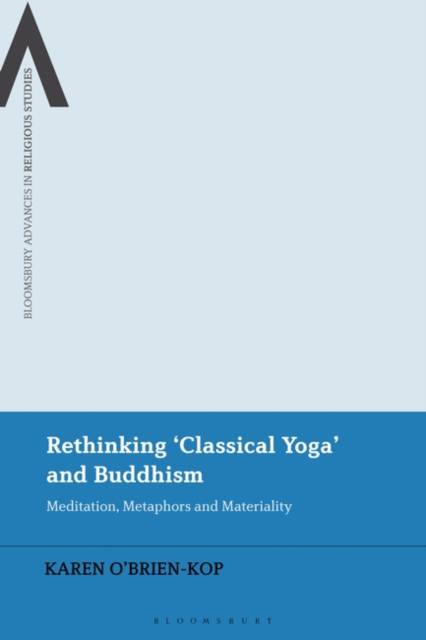
This book revisits the early systemic formation of meditation practices called 'yoga' in South Asia by employing metaphor theory. Karen O'Brien-Kop also develops an alternative way of analysing the reception history of yoga that aims to decentre the Eurocentric and imperialist enterprises of the nineteenth-century to reframe the cultural period of the 1st - 5th centuries CE using categorical markers from South Asian intellectual history.
Buddhist traditions were just as concerned as Hindu traditions with meditative disciplines of yoga. By exploring the intertextuality of the Patanjalayogasastra with texts such as Vasubandhu's Abhidharmakosabhasya and Asanga's Yogacarabhumisastra, this book highlights and clarifies many ideologically Buddhist concepts and practices in Patanjala yoga.
Karen O'Brien-Kop demonstrates that 'classical yoga' was co-constructed systemically by both Hindu and Buddhist thinkers who were drawing on the same conceptual metaphors of the period. This analysis demystifies early yoga-meditation as a timeless 'classical' practice and locates it in a specific material context of agrarian and urban economies.
Buddhist traditions were just as concerned as Hindu traditions with meditative disciplines of yoga. By exploring the intertextuality of the Patanjalayogasastra with texts such as Vasubandhu's Abhidharmakosabhasya and Asanga's Yogacarabhumisastra, this book highlights and clarifies many ideologically Buddhist concepts and practices in Patanjala yoga.
Karen O'Brien-Kop demonstrates that 'classical yoga' was co-constructed systemically by both Hindu and Buddhist thinkers who were drawing on the same conceptual metaphors of the period. This analysis demystifies early yoga-meditation as a timeless 'classical' practice and locates it in a specific material context of agrarian and urban economies.
Specificaties
Betrokkenen
- Auteur(s):
- Uitgeverij:
Inhoud
- Aantal bladzijden:
- 280
- Taal:
- Engels
- Reeks:
Eigenschappen
- Productcode (EAN):
- 9781350230033
- Verschijningsdatum:
- 20/04/2023
- Uitvoering:
- Paperback
- Formaat:
- Trade paperback (VS)
- Afmetingen:
- 156 mm x 234 mm
- Gewicht:
- 394 g


Alleen bij Standaard Boekhandel
+ 135 punten op je klantenkaart van Standaard Boekhandel
SOLDEN


Beoordelingen
We publiceren alleen reviews die voldoen aan de voorwaarden voor reviews. Bekijk onze voorwaarden voor reviews.