



Je cadeautjes zeker op tijd in huis hebben voor de feestdagen? Kom langs in onze winkels en vind het perfecte geschenk!
- Afhalen na 1 uur in een winkel met voorraad
- Gratis thuislevering in België vanaf € 30
- Ruim aanbod met 7 miljoen producten
Je cadeautjes zeker op tijd in huis hebben voor de feestdagen? Kom langs in onze winkels en vind het perfecte geschenk!
- Afhalen na 1 uur in een winkel met voorraad
- Gratis thuislevering in België vanaf € 30
- Ruim aanbod met 7 miljoen producten





€ 59,95
+ 119 punten
Omschrijving
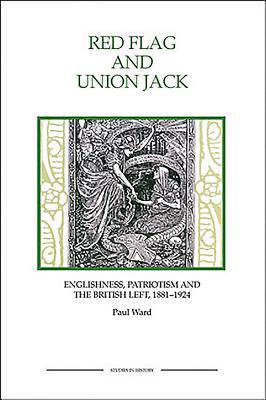
It is generally assumed that the language of patriotism and national identity belongs to the political right, but the emergence of socialism in the 1880s shows clearly that the left also drew on such ideas in its formative years to legitimate a particular form of socialism, one presented as a restoration of an English past lost to industrial capitalism. The First World War dealt a severe blow to this radical patriotism: though the anti-war left continued to use radical patriotic language in the early years, the war degraded patriotism generally, while the Russian Revolution gave internationalism a new focus, and also threatened the dominant concept of British socialism. Moderate Labour sought to prove their fitness to govern, and concentrated on the "national interest" rather than oppositional Englishness, while the left of the movement looked to Soviet Russia rather than the English past for models for a future socialist society. Paul Ward teaches at the School of Music, Humanities and Media, University of Huddersfield.
Specificaties
Betrokkenen
- Auteur(s):
- Uitgeverij:
Inhoud
- Aantal bladzijden:
- 240
- Taal:
- Engels
- Reeks:
- Reeksnummer:
- nr. 9
Eigenschappen
- Productcode (EAN):
- 9781843836360
- Verschijningsdatum:
- 15/09/2011
- Uitvoering:
- Paperback
- Formaat:
- Trade paperback (VS)
- Afmetingen:
- 156 mm x 234 mm
- Gewicht:
- 344 g


Alleen bij Standaard Boekhandel
+ 119 punten op je klantenkaart van Standaard Boekhandel
CADEAU


Beoordelingen
We publiceren alleen reviews die voldoen aan de voorwaarden voor reviews. Bekijk onze voorwaarden voor reviews.