



Bedankt voor het vertrouwen het afgelopen jaar! Om jou te bedanken bieden we GRATIS verzending (in België) aan op alles gedurende de hele maand januari.
- Afhalen na 1 uur in een winkel met voorraad
- In januari gratis thuislevering in België
- Ruim aanbod met 7 miljoen producten
Bedankt voor het vertrouwen het afgelopen jaar! Om jou te bedanken bieden we GRATIS verzending (in België) aan op alles gedurende de hele maand januari.
- Afhalen na 1 uur in een winkel met voorraad
- In januari gratis thuislevering in België
- Ruim aanbod met 7 miljoen producten





€ 77,95
+ 155 punten
Omschrijving
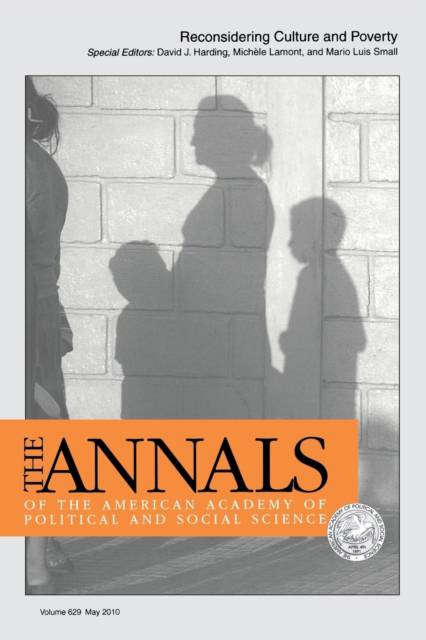
Culture has returned to the poverty research agenda. Over the past decade, sociologists, demographers, and even economists have begun asking questions about the role of cul-ture in many aspects of poverty, at times even explaining the behavior of low-income populations in reference to cultural factors. Unlike their predecessors, contemporary researchers rarely claim that culture will sustain itself for multiple generations regardless of structural changes, and they almost never use the term "pathology," which implied in an earlier era that people would cease to be poor if they changed their culture. The new generation of scholars conceives of culture in substantially different ways. In this latest issue of the ANNALS, readers are treated to thought-provoking articles that attempt to bridge the gap between poverty and culture scholarship, highlighting new trends in poverty research. This volume is vital reading, not only for sociologists but also for researchers across the social sciences as a whole.
Specificaties
Betrokkenen
- Auteur(s):
- Uitgeverij:
Inhoud
- Aantal bladzijden:
- 228
- Taal:
- Engels
- Reeks:
- Reeksnummer:
- nr. 629
Eigenschappen
- Productcode (EAN):
- 9781412988988
- Verschijningsdatum:
- 21/05/2010
- Uitvoering:
- Paperback
- Formaat:
- Trade paperback (VS)
- Afmetingen:
- 168 mm x 235 mm
- Gewicht:
- 335 g


Alleen bij Standaard Boekhandel
+ 155 punten op je klantenkaart van Standaard Boekhandel
SOLDEN


Beoordelingen
We publiceren alleen reviews die voldoen aan de voorwaarden voor reviews. Bekijk onze voorwaarden voor reviews.