


- Afhalen na 1 uur in een winkel met voorraad
- Gratis thuislevering in België vanaf € 30
- Ruim aanbod met 7 miljoen producten
- Afhalen na 1 uur in een winkel met voorraad
- Gratis thuislevering in België vanaf € 30
- Ruim aanbod met 7 miljoen producten





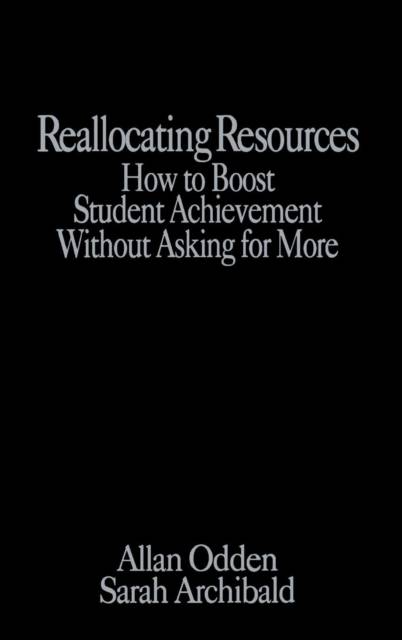
Reallocating Resources
How to Boost Student Achievement Without Asking for More
Allan R Odden, Sarah J Archibald
Hardcover | Engels
€ 122,45
+ 244 punten
Uitvoering
Omschrijving
Although there has been receptivity to the notion of school-level resource reallocation, there has been a dearth of information on how resource reallocation can actually be implemented. The authors′ goal is to describe actual resource reallocation practices and the realities of the resource reallocation process using examples from the schools that they have studied, as well as schools that others have studied. Though it is helpful to know that resource reallocation is feasible, it is even more helpful to principals and teachers to understand the nitty-gritty details of it - which resources get reduced, which resources are added, what funding sources are tapped, what problems are encountered, and how the process unfolds in real school settings. All types of schools were included in the study: schools in urban, suburban and rural districts, large and small schools, and schools in large, medium, and small school districts. The schools studied also reflect a range of student demographics, from low to high percentages of minorities and students eligible for free or reduced-price lunches. Each school adopted a number of new educational strategies, each of which required various expensive educational ingredients - smaller classes, more planning time, expanded professional development, tutoring for students who were struggling to achieve high standards, etc. This book tells the story of how schools can finance expensive program needs by describing the vast array of decisions that must be made, including how to pay for the new strategies.
Specificaties
Betrokkenen
- Auteur(s):
- Uitgeverij:
Inhoud
- Aantal bladzijden:
- 120
- Taal:
- Engels
Eigenschappen
- Productcode (EAN):
- 9780761976523
- Verschijningsdatum:
- 18/09/2000
- Uitvoering:
- Hardcover
- Formaat:
- Genaaid
- Afmetingen:
- 152 mm x 229 mm
- Gewicht:
- 335 g


Alleen bij Standaard Boekhandel
+ 244 punten op je klantenkaart van Standaard Boekhandel
Cadeau

AANGERADEN


Beoordelingen
We publiceren alleen reviews die voldoen aan de voorwaarden voor reviews. Bekijk onze voorwaarden voor reviews.