


- Afhalen na 1 uur in een winkel met voorraad
- Gratis thuislevering in België vanaf € 30
- Ruim aanbod met 7 miljoen producten
- Afhalen na 1 uur in een winkel met voorraad
- Gratis thuislevering in België vanaf € 30
- Ruim aanbod met 7 miljoen producten





€ 31,45
+ 62 punten
Eenvoudig bestellen
Veilig betalen


Gratis thuislevering vanaf € 30 (via bpost)
Gratis levering in je Standaard Boekhandel
Omschrijving
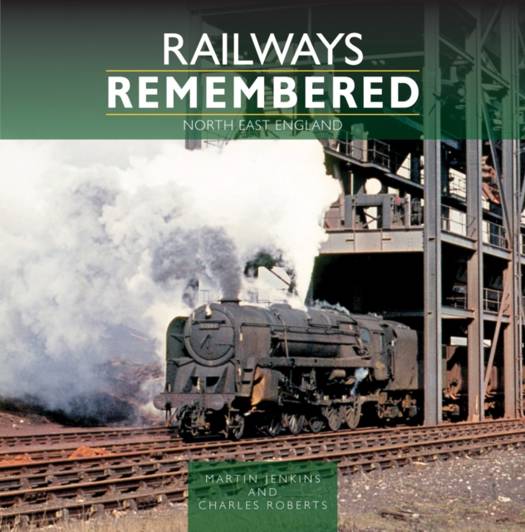
The north east of England was the crucible of the railway revolution in the early nineteenth century. The Stockton & Darlington Railway, which opened in 1825, was the world's first public railway to use steam locomotives. As the national network developed, the East Coast Main Line passed through the region on its way from London to Edinburgh and virtually every part of the area was linked to a large and complex web of lines which were built to serve coal mines and other heavy industries as well as communities across the region. As the century developed, by a process of expansion and amalgamation, the North Eastern Railway came to dominate the area. This became part of the LNER group in 1923 though with the formation of British Railways in 1948, the new North Eastern Region of BR, with its distinctive orange signage, served an area closely comparable to that of the old NER itself.
This new colour album explores the railways of the north east from the 1950s through to the 1970s using largely hitherto unpublished images from the files of the Online Transport Archive. These cover steam, diesel and electric traction and whilst focusing on the main line railways, the area's heavy concentration of industrial lines is also featured in this wonderful nostalgic reflection of the fascinating railway network of this part of the country.
This new colour album explores the railways of the north east from the 1950s through to the 1970s using largely hitherto unpublished images from the files of the Online Transport Archive. These cover steam, diesel and electric traction and whilst focusing on the main line railways, the area's heavy concentration of industrial lines is also featured in this wonderful nostalgic reflection of the fascinating railway network of this part of the country.
Specificaties
Betrokkenen
- Auteur(s):
- Uitgeverij:
Inhoud
- Aantal bladzijden:
- 160
- Taal:
- Engels
- Reeks:
Eigenschappen
- Productcode (EAN):
- 9781800352759
- Verschijningsdatum:
- 23/10/2023
- Uitvoering:
- Hardcover
- Formaat:
- Genaaid
- Afmetingen:
- 250 mm x 250 mm
- Gewicht:
- 984 g


Alleen bij Standaard Boekhandel
+ 62 punten op je klantenkaart van Standaard Boekhandel
CADEAU

AANGERADEN


Beoordelingen
We publiceren alleen reviews die voldoen aan de voorwaarden voor reviews. Bekijk onze voorwaarden voor reviews.