



Je cadeautjes zeker op tijd in huis hebben voor de feestdagen? Kom langs in onze winkels en vind het perfecte geschenk!
- Afhalen na 1 uur in een winkel met voorraad
- Gratis thuislevering in België vanaf € 30
- Ruim aanbod met 7 miljoen producten
Je cadeautjes zeker op tijd in huis hebben voor de feestdagen? Kom langs in onze winkels en vind het perfecte geschenk!
- Afhalen na 1 uur in een winkel met voorraad
- Gratis thuislevering in België vanaf € 30
- Ruim aanbod met 7 miljoen producten





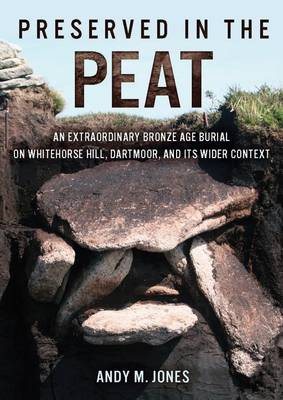
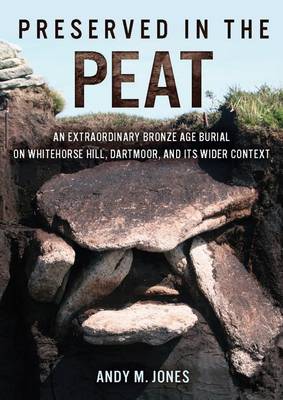
Preserved in the Peat
An Extraordinary Bronze Age Burial on Whitehorse Hill, Dartmoor, and Its Wider Context
Andy M Jones
Paperback | Engels
€ 58,95
+ 117 punten
Omschrijving
Excavation of a Scheduled burial mound on Whitehorse Hill, Dartmoor revealed an unexpected, intact burial deposit of Early Bronze Age date associated with an unparalleled range of artifacts. The cremated remains of a young person had been placed within a bearskin pelt and provided with a basketry container, from which a braided band with tin studs had spilled out. Within the container were beads of shale, amber, clay and tin; two pairs of turned wooden studs and a worked flint flake. A unique item, possibly a sash or band, made from textile and animal skin was found beneath the container. Beneath this, the basal stone of the cist had been covered by a layer of purple moor grass which had been collected in summer. Analysis of environmental material from the site has revealed important insights into the pyre material used to burn the body, as well as providing important information about the environment in which the cist was constructed. The unparalleled assemblage of organic objects has yielded insights into a range of materials which have not survived from the earlier Bronze Age elsewhere in southern Britain.
Specificaties
Betrokkenen
- Auteur(s):
- Uitgeverij:
Inhoud
- Aantal bladzijden:
- 304
- Taal:
- Engels
Eigenschappen
- Productcode (EAN):
- 9781789258783
- Verschijningsdatum:
- 23/02/2023
- Uitvoering:
- Paperback
- Formaat:
- Trade paperback (VS)
- Afmetingen:
- 211 mm x 297 mm
- Gewicht:
- 1134 g


Alleen bij Standaard Boekhandel
+ 117 punten op je klantenkaart van Standaard Boekhandel
CADEAU


Beoordelingen
We publiceren alleen reviews die voldoen aan de voorwaarden voor reviews. Bekijk onze voorwaarden voor reviews.