



Je cadeautjes zeker op tijd in huis hebben voor de feestdagen? Kom langs in onze winkels en vind het perfecte geschenk!
- Afhalen na 1 uur in een winkel met voorraad
- Gratis thuislevering in België vanaf € 30
- Ruim aanbod met 7 miljoen producten
Je cadeautjes zeker op tijd in huis hebben voor de feestdagen? Kom langs in onze winkels en vind het perfecte geschenk!
- Afhalen na 1 uur in een winkel met voorraad
- Gratis thuislevering in België vanaf € 30
- Ruim aanbod met 7 miljoen producten





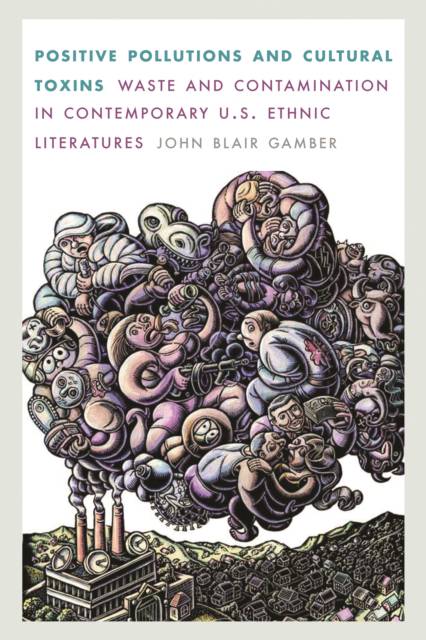
Positive Pollutions and Cultural Toxins
Waste and Contamination in Contemporary U.S. Ethnic Literatures
John Blair Gamber
€ 76,45
+ 152 punten
Omschrijving
In this innovative study, Positive Pollutions and Cultural Toxins, John Blair Gamber examines urbanity and the results of urban living--traffic, garbage, sewage, waste, and pollution--arguing for a new recognition of all forms of human detritus as part of the natural world and thus for a broadening of our understanding of environmental literature. While much of the discourse surrounding the United States' idealistic and nostalgic views of itself privileges "clean" living (primarily in rural, small-town, and suburban settings), representations of rurality and urbanity by Chicanas/Chicanos, African Americans, Asian Americans, and Native Americans, on the other hand, complicate such generalization. Gamber widens our understanding of current ecocritical debates by examining texts by such authors as Octavia Butler, Louise Erdrich, Alejandro Morales, Gerald Vizenor, and Karen Tei Yamashita that draw on the physical signs of human corporeality to refigure cities and urbanity as natural. He demonstrates how ethnic American literature reclaims waste objects and waste spaces--likening pollution to miscegenation--as a method to revalue cast-off and marginalized individuals and communities. Positive Pollutions and Cultural Toxins explores the conjunction of, and the frictions between, twentieth-century U.S. postcolonial studies, race studies, urban studies, and ecocriticism, and works to refigure this portrayal of urban spaces.
Specificaties
Betrokkenen
- Auteur(s):
- Uitgeverij:
Inhoud
- Aantal bladzijden:
- 248
- Taal:
- Engels
- Reeks:
Eigenschappen
- Productcode (EAN):
- 9780803230460
- Verschijningsdatum:
- 1/10/2012
- Uitvoering:
- Hardcover
- Formaat:
- Genaaid
- Afmetingen:
- 160 mm x 234 mm
- Gewicht:
- 476 g


Alleen bij Standaard Boekhandel
+ 152 punten op je klantenkaart van Standaard Boekhandel
CADEAU


Beoordelingen
We publiceren alleen reviews die voldoen aan de voorwaarden voor reviews. Bekijk onze voorwaarden voor reviews.