



Je cadeautjes zeker op tijd in huis hebben voor de feestdagen? Kom langs in onze winkels en vind het perfecte geschenk!
- Afhalen na 1 uur in een winkel met voorraad
- Gratis thuislevering in België vanaf € 30
- Ruim aanbod met 7 miljoen producten
Je cadeautjes zeker op tijd in huis hebben voor de feestdagen? Kom langs in onze winkels en vind het perfecte geschenk!
- Afhalen na 1 uur in een winkel met voorraad
- Gratis thuislevering in België vanaf € 30
- Ruim aanbod met 7 miljoen producten





Omschrijving
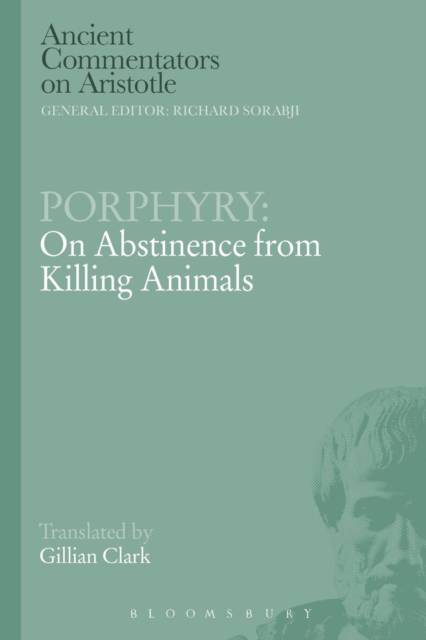
Porphyry's On Abstinence from Killing Animals is one of the most interesting books from Greek antiquity for both philosophers and historians. In it, Porphyry relates the arguments for eating or sacrificing animals and then goes on to argue that an understanding of humans and gods shows such sacrifice to be inappropriate, that an understanding of animals shows it to be unjust, and that a knowledge of non-Greeks shows it to be unnecessary.
There are no Neoplatonist commentaries on Aristotle's Ethics from the period AD 250-600. Thus, although this work is not a commentary on Aristotle, it fills a gap in this series by going to the heart of ethical debates among Neoplatonists around AD 300, and revealing one ascetic Neoplatonist's view of the ideal way of life. It also records rival positions taken on the treatment of animals by Greek philosophers over the previous six hundred years.
There are no Neoplatonist commentaries on Aristotle's Ethics from the period AD 250-600. Thus, although this work is not a commentary on Aristotle, it fills a gap in this series by going to the heart of ethical debates among Neoplatonists around AD 300, and revealing one ascetic Neoplatonist's view of the ideal way of life. It also records rival positions taken on the treatment of animals by Greek philosophers over the previous six hundred years.
Specificaties
Betrokkenen
- Auteur(s):
- Vertaler(s):
- Uitgeverij:
Inhoud
- Aantal bladzijden:
- 222
- Taal:
- Engels
- Reeks:
Eigenschappen
- Productcode (EAN):
- 9781780938899
- Verschijningsdatum:
- 10/04/2014
- Uitvoering:
- Paperback
- Formaat:
- Trade paperback (VS)
- Afmetingen:
- 156 mm x 234 mm
- Gewicht:
- 326 g


Alleen bij Standaard Boekhandel
+ 176 punten op je klantenkaart van Standaard Boekhandel
CADEAU


Beoordelingen
We publiceren alleen reviews die voldoen aan de voorwaarden voor reviews. Bekijk onze voorwaarden voor reviews.