


- Afhalen na 1 uur in een winkel met voorraad
- Gratis thuislevering in België vanaf € 30
- Ruim aanbod met 7 miljoen producten
- Afhalen na 1 uur in een winkel met voorraad
- Gratis thuislevering in België vanaf € 30
- Ruim aanbod met 7 miljoen producten





€ 166,45
+ 332 punten
Omschrijving
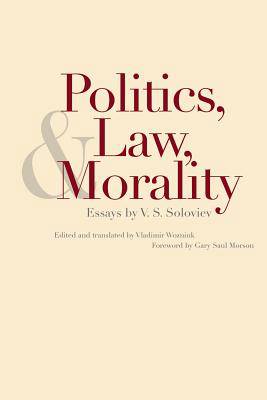
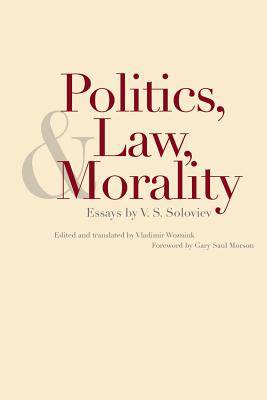
Considered one of Russia's greatest philosophers, Vladimir Soloviev (1853-1900) was also a theologian, historian, poet, and social and political critic. His works have emerged to enjoy renewed attention in post-Soviet Russia, and his concerns echo in contemporary discussions of politics, law, and morality. In this collection of Soloviev's essays-many translated into English for the first time-the philosopher explores an array of social issues, from the death penalty to nationalism to women's rights. Soloviev reacts against the tradition of European rationalist thought and seeks to synthesize religious philosophy, science, and ethics in the context of a universal Christianity. In these writings he reveals the centrality of human rights in his Christian worldview, not only as an abstract theory but also as an inspiration in everyday life. In a substantive introduction and copious annotations to the essays, Vladimir Wozniuk points out distinctive and often overlooked features of Soloviev's works while illuminating his place within both the Russian and Western intellectual traditions.
Specificaties
Betrokkenen
- Auteur(s):
- Uitgeverij:
Inhoud
- Aantal bladzijden:
- 368
- Taal:
- Engels
- Reeks:
Eigenschappen
- Productcode (EAN):
- 9780300212037
- Verschijningsdatum:
- 10/10/2014
- Uitvoering:
- Paperback
- Formaat:
- Trade paperback (VS)
- Afmetingen:
- 156 mm x 234 mm
- Gewicht:
- 557 g


Alleen bij Standaard Boekhandel
+ 332 punten op je klantenkaart van Standaard Boekhandel
Cadeau

AANGERADEN


Beoordelingen
We publiceren alleen reviews die voldoen aan de voorwaarden voor reviews. Bekijk onze voorwaarden voor reviews.