



Je cadeautjes zeker op tijd in huis hebben voor de feestdagen? Kom langs in onze winkels en vind het perfecte geschenk!
- Afhalen na 1 uur in een winkel met voorraad
- Gratis thuislevering in België vanaf € 30
- Ruim aanbod met 7 miljoen producten
Je cadeautjes zeker op tijd in huis hebben voor de feestdagen? Kom langs in onze winkels en vind het perfecte geschenk!
- Afhalen na 1 uur in een winkel met voorraad
- Gratis thuislevering in België vanaf € 30
- Ruim aanbod met 7 miljoen producten





Omschrijving
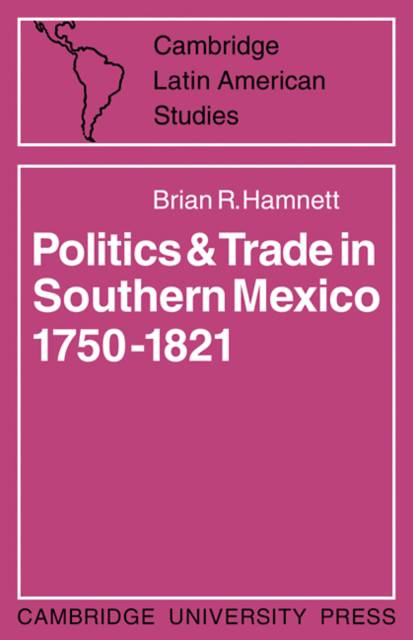
The province of Oaxaca in southern Mexico was one of the main sources of Spanish wealth during the colonial period. The largely indigenous population supplied dyes and cotton for the Spanish merchants trading both with Spain and within Mexico itself. Much of the trade was conducted in violation of the Laws of the Indies and the royal decrees. The present study traces the struggles of the Spanish Metropolitan Government and the local episcopal authorities in Oaxaca to secure observation of the law. The effects of the eighteenth-century Bourbon reforms and of the Mexican Independence movement of 1810-21 are discussed. Brian Hamnett has based his study on archival sources in Seville and Mexico and provides statistical information in both the text and appendices. In addition the author has supplied detailed information concerning individuals - administrators, merchants, landowners, clerics - involved in politics and commerce.
Specificaties
Betrokkenen
- Auteur(s):
- Uitgeverij:
Inhoud
- Aantal bladzijden:
- 228
- Taal:
- Engels
- Reeks:
- Reeksnummer:
- nr. 12
Eigenschappen
- Productcode (EAN):
- 9780521100205
- Verschijningsdatum:
- 18/01/2009
- Uitvoering:
- Paperback
- Formaat:
- Trade paperback (VS)
- Afmetingen:
- 140 mm x 216 mm
- Gewicht:
- 294 g


Alleen bij Standaard Boekhandel
+ 129 punten op je klantenkaart van Standaard Boekhandel
CADEAU


Beoordelingen
We publiceren alleen reviews die voldoen aan de voorwaarden voor reviews. Bekijk onze voorwaarden voor reviews.