



Bedankt voor het vertrouwen het afgelopen jaar! Om jou te bedanken bieden we GRATIS verzending (in België) aan op alles gedurende de hele maand januari.
- Afhalen na 1 uur in een winkel met voorraad
- In januari gratis thuislevering in België
- Ruim aanbod met 7 miljoen producten
Bedankt voor het vertrouwen het afgelopen jaar! Om jou te bedanken bieden we GRATIS verzending (in België) aan op alles gedurende de hele maand januari.
- Afhalen na 1 uur in een winkel met voorraad
- In januari gratis thuislevering in België
- Ruim aanbod met 7 miljoen producten





€ 38,45
+ 76 punten
Omschrijving
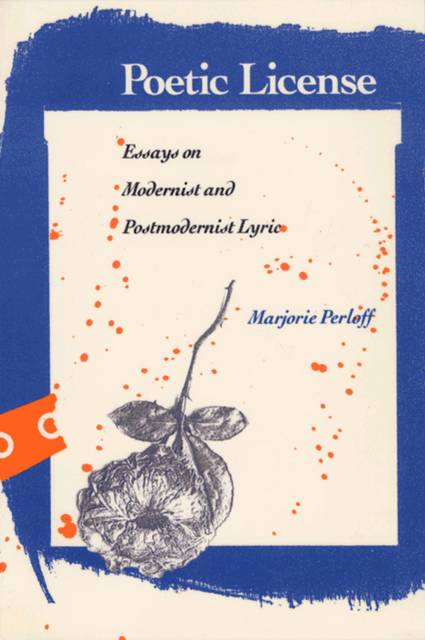
In Poetic License, Marjorie Perloff insists that despite the recent interest in "opening up the canon," our understanding of poetry and poetics is all too often rutted in conventional notions of the lyric that shed little light on what poets and artists are actually doing today. On topics ranging from general problems of canonicity to the critical evaluation of such poets as Plath, Ginsberg, and others, Perloff introduces nonconventional ideas of the nature of poetic texts and reframes the discussion of postmodern "paratexts." Her discussion reformulates basic presuppositions of what poetry is and what it can do and leads us to see the great possibilities still open to lyric poetry at a time when, as Yeats predicted, "the center cannot hold."
Specificaties
Betrokkenen
- Auteur(s):
- Uitgeverij:
Inhoud
- Aantal bladzijden:
- 245
- Taal:
- Engels
Eigenschappen
- Productcode (EAN):
- 9780810108448
- Verschijningsdatum:
- 1/07/1990
- Uitvoering:
- Paperback
- Formaat:
- Trade paperback (VS)
- Afmetingen:
- 154 mm x 229 mm
- Gewicht:
- 530 g


Alleen bij Standaard Boekhandel
+ 76 punten op je klantenkaart van Standaard Boekhandel
SOLDEN


Beoordelingen
We publiceren alleen reviews die voldoen aan de voorwaarden voor reviews. Bekijk onze voorwaarden voor reviews.